Inukjuak, Nunavik · ᐃᓄᒃᔪᐊᖅ
Arctic Shift to Clean Energy
On the coast of Hudson Bay, Inuit climate leaders build their own hydro project to replace diesel with clean, community‑owned power.
Innavik profiles a historic Inuit-led clean energy project in the Arctic. The film shows how the community of Inukjuak will soon overcome its current reliance on 3 million litres of diesel per year by 100% through a unique hydroelectric project. Ultimately, the dangerous risk of diesel spills will be eliminated and the community’s per capita greenhouse gas reductions will be reduced more than any other community in Canada.
Kaaria Quash



Article by Virginie Ann
Inuit community leads Arctic shift to clean energy: hydroelectric project to replace diesel
For many years, Inukjuak, like many communities in the north, has relied on diesel to heat homes, keep the lights on, and power its institutions.
Now, for the first time in the region, construction is underway on a massive hydroelectric project. When it’s completed, it will replace diesel at the community’s primary source of energy, and provide a surplus which Inukjuak will sell to Hydro-Quebec.
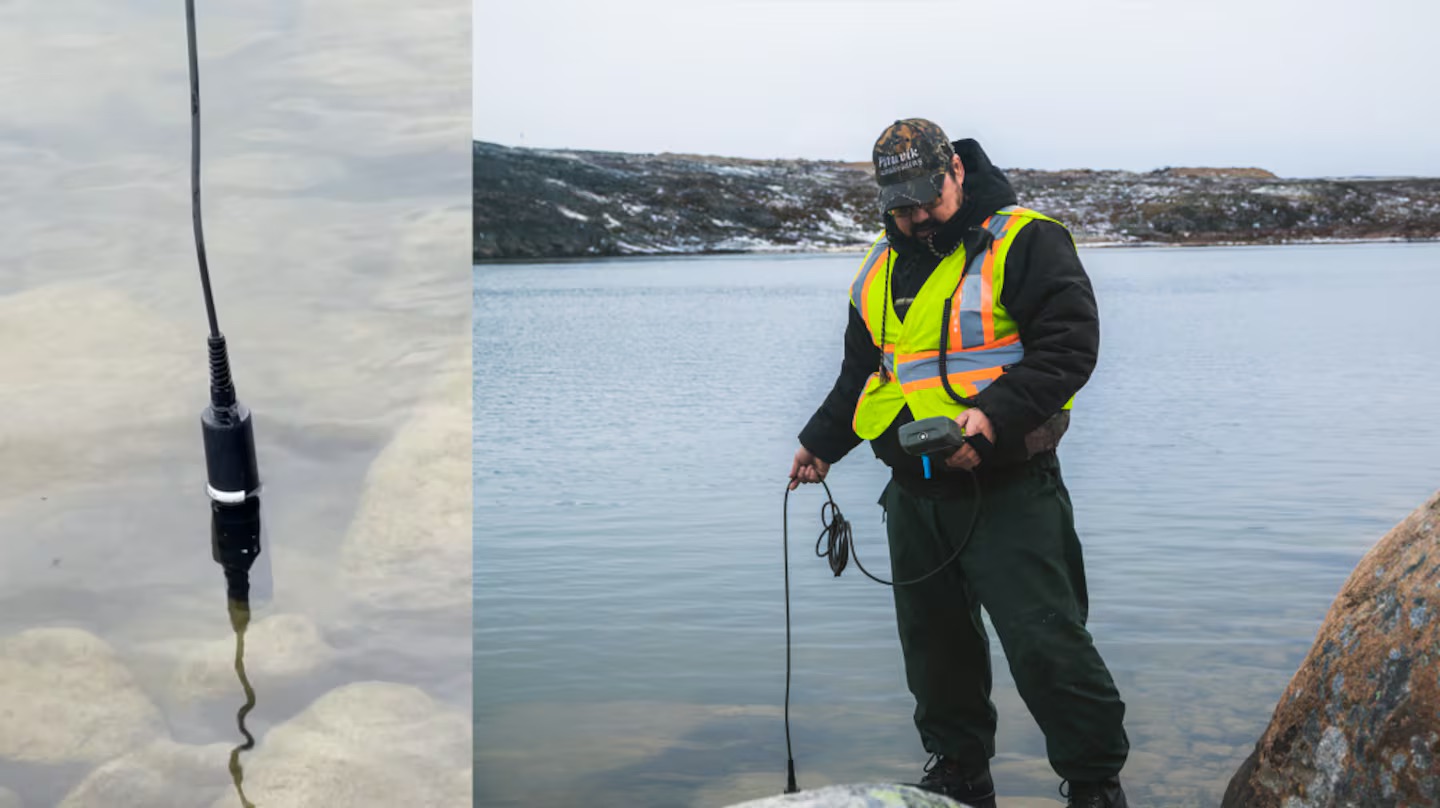
In this image collage, Eric Atagotaaluk is seen doing his daily water test at the Innuksuak River. Upstream, construction is underway on a massive hydro electric project which will eventually get the community off diesel. These daily water tests were part of a community promise to ensure that the construction doesn’t affect the quality of the river, which also supplies the community with drinking water.
Kaaria Quash
Razor-sharp winds whip across an arctic landscape as Eric Atagotaaluk carefully makes his way down to the shore of the Inukjuak river, in Arctic Quebec. On this day, freezing temperatures make handling the water testing equipment difficult, but Atagotaaluk persists. Every morning and every night he is here, testing and re-testing. It is a promise he made to the people of Inukjuak long before construction even started.
“It was a concern,” said Atagotaaluk, the director of the Pituvik Landholding Corporation. “The community wanted to make sure the quality of the water wouldn’t be impacted.”
Atagotaaluk is standing only a few metres away from the construction site of Innavik, a hydro-grid that will allow the community of Inukjuak, Que., to stop using dirty diesel energy and heating oil, and move towards sustainable alternatives instead.
“Very normal,” he said of the test results, with a smile on his face. “It’s a good sign.”
A first-ever partnership between Pituvik Landholding Corporation — which is responsible for land and development — Hydro-Québec, and Montreal-based renewable energy company Innergex is set to provide clean energy to households in Inukjuak, an Inuit community on the shoreline of the Hudson Bay.
The Innavik Project was initiated in 2008 to lower local greenhouse gas emissions, and, once completed, will reduce carbon emissions by close to 80 per cent.
“Climate change is very apparent here,” Atagotaaluk said, reflecting on the impact of living with diesel.
“Our fall and spring seasons are starting earlier or later, and you kind of feel trapped, and you want to do something for the climate. Although we are not big contributors to greenhouse gas emissions, we still do use a lot of diesel.”
About 1,800 people live in Inukjuak, one of 14 Inuit communities in the Nunavik region of Quebec. The town is located 1,500 kilometres north of Montreal and is accessible only by air.
Inukjuak is built on rock and permafrost, surrounded by ribbons of untamed rivers and stretches of wild tundra north of the treeline — the point after which trees are incapable of growing.
For decades, every single building, car and house has been reliant on diesel for power, fuel and heat, even though diesel is an energy source known to be harmful to the environment.
The diesel tanks are everywhere, whether they line the side of schools, grocery stores, or one of the community’s 500 homes.
For community member Tommy Palliser, living off diesel for most of his life has meant facing a constant risk of pollution — and energy shortage.
“The fuel truck comes once a month, and sometimes we run out of it,” said Palliser, who is also the executive director of the Nunavik Marine Region Wildlife Board.
“We don’t have any heat for a day or two. Sometimes you can smell the diesel even if it’s a small spill; you can smell it in the whole house. And it’s pretty hard to get rid of.”

Nunavik Marine Region Wildlife Board Executive Director Tommy Palliser gestures towards the diesel tank attached to the side of his home. He says its common for these tanks to rust and leak, wasting fuel, and sending fumes inside the house.
Kaaria Quash
In 2015, more than 13,000 litres of diesel spilled in the community as fuel was being transferred from one tank to another. Diesel ended up soaking and contaminating the surrounding soil, prompting a costly and time-consuming cleanup.
The disaster came only a month after about 14,000 litres of diesel spilled in Ivujivik, north of Inukjuak. That same year, an additional 3,000 litres of diesel spilled in Salluit, another community in Nunavik.
Palliser, who is also the Executive Director of the Nunavik Marine Region Wildlife Board, said the hydro project will not only provide a safer environment along with clean and sustainable energy, but its revenue will bring the community a step closer to self-determination.
“It’s not easy, for us as Inuit communities, to get the quality services we certainly deserve,” Palliser said.
“There’s a lot of issues that affected our community, relocation, dog slaughter … That’s what I’ve been trying to talk about, this project is to try and roll up our sleeves and become independent … That’s how we resolve our issues.”
MOVING AWAY FROM THE PAST
Community elder Abraham Kasudluak remembers a time when everything was different.
“A lot has changed,” Abraham said.
“There used to be only three houses around the community. The only white people that lived here were from the Hudson Bay company, the church, RCMP and from the department of transportation.”
Abraham, 84, recalled how life started to change in the 1950’s. Two major events, he said, that shifted Inukjuak’s entire history was the relocation of families and the slaughtering of dogs.

Community elder Abraham Kasudluak tells stories in his Inukjuak home in the fall of 2021.
Kaaria Quash
Between 1953 and 1955, nearly two dozen families were relocated by the federal government from Inukjuak to Grise Fiord and Resolute, in the High Arctic. Ottawa argued at the time the relocations were meant to affirm Canadian sovereignty in these areas, and promised the families they would be allowed to return home after a few years.
The families, however, were separated and not given the proper tools — such as hunting and camping gear — to survive. Most of them never made it back to Inukjuak.
“I knew all of them,” Abraham said. “We were lied to … We were told that they were there only for two years, but it took too many years to return.”
In 2010, Ottawa apologized for the High Arctic Relocation and recognized that it resulted in “extreme hardship and suffering” for Inuit families.
Former Mayor of Inukjuak Simeonie Nalukturuk said the impact of forced relocation has resulted in intergenerational trauma.
“A third of the people for the territory here was taken away by the government,” Nalukturuk said. “They promised a whole bunch of good things … everybody knows these promises were not kept.”
The community’s sufferings were all the more aggravated by the so-called “dog slaughter,” Nalukturuk continued.
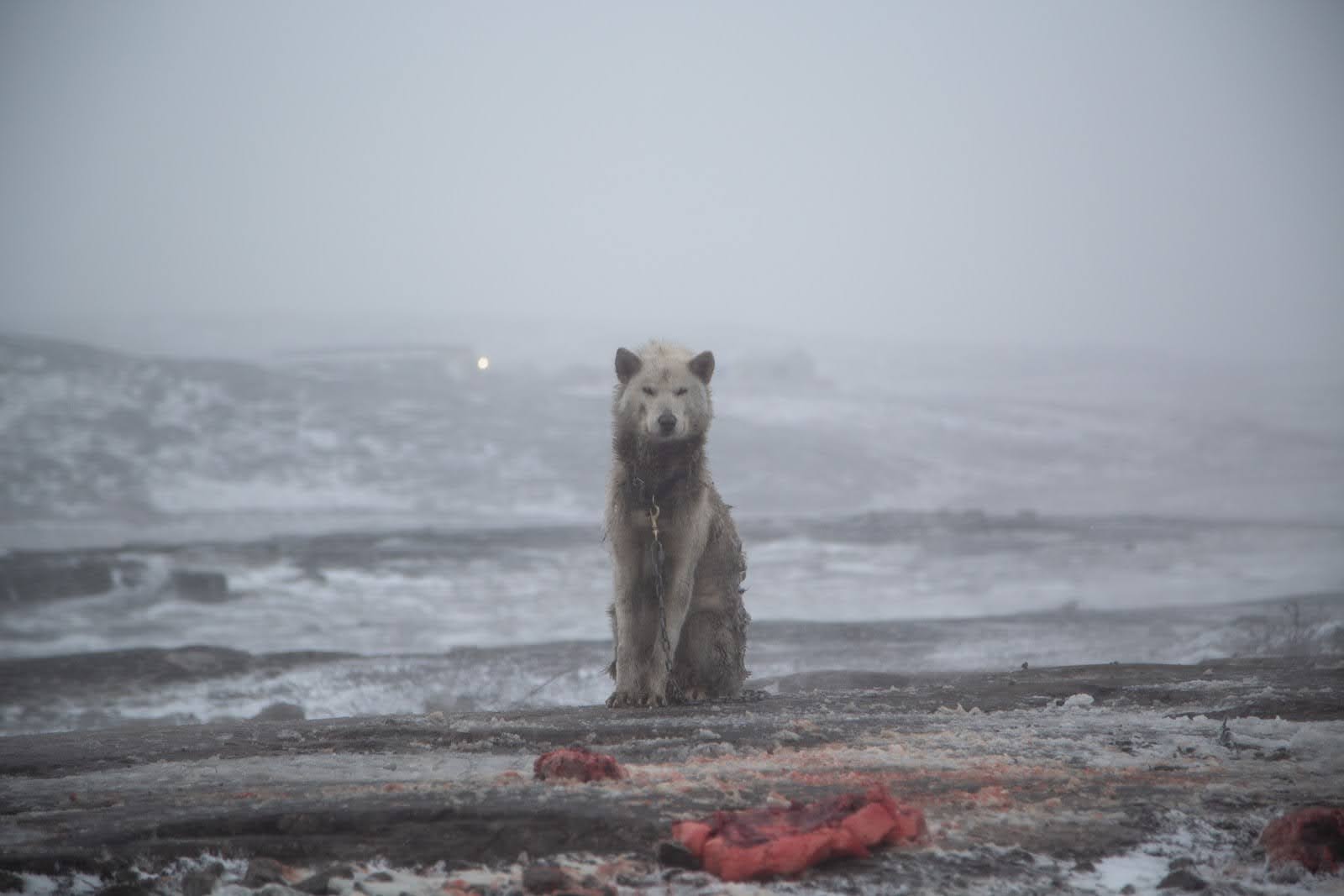
He explained that qimmit, known in English as Inuit sled dogs, were nearly all wiped out by the RCMP and Quebec provincial police. Between the ’50s and the ’70s, thousands of sled dogs across Nunavik, including in Inukjuak, were killed by the police, who reportedly said at the time the cull was carried out for health and safety reasons.
“The killings of dogs, I see it now as a tool to further assimilate the Inuit into a mainstream Canadian way of life, to weaken them from their lands,” Nalukturuk said, adding that dogs were an integral part of the Inuit’s nomadic life and hunting culture. “Our way of life was altered. Our men, when they lost their dogs, they lost the ability to hunt for their families.”
While Quebec has acknowledged the negative effects the mass slaughter of sled dogs had on the Inuit 10 years ago, a 2006 RCMP investigation cleared the federal government of any wrongdoing.
The report stated the RCMP review committee “didn’t uncover any evidence to support the allegations … of an organized mass slaughter of Inuit sled dogs by RCMP members in Nunavik and Nunavut between 1950 and 1970.”
“The destruction of Inuit sled dogs, and other dogs, was undertaken by RCMP members for public health and safety reasons, in accordance with the law, to contain canine epidemics, and at times, at the request of the dogs’ owners,” the report said.

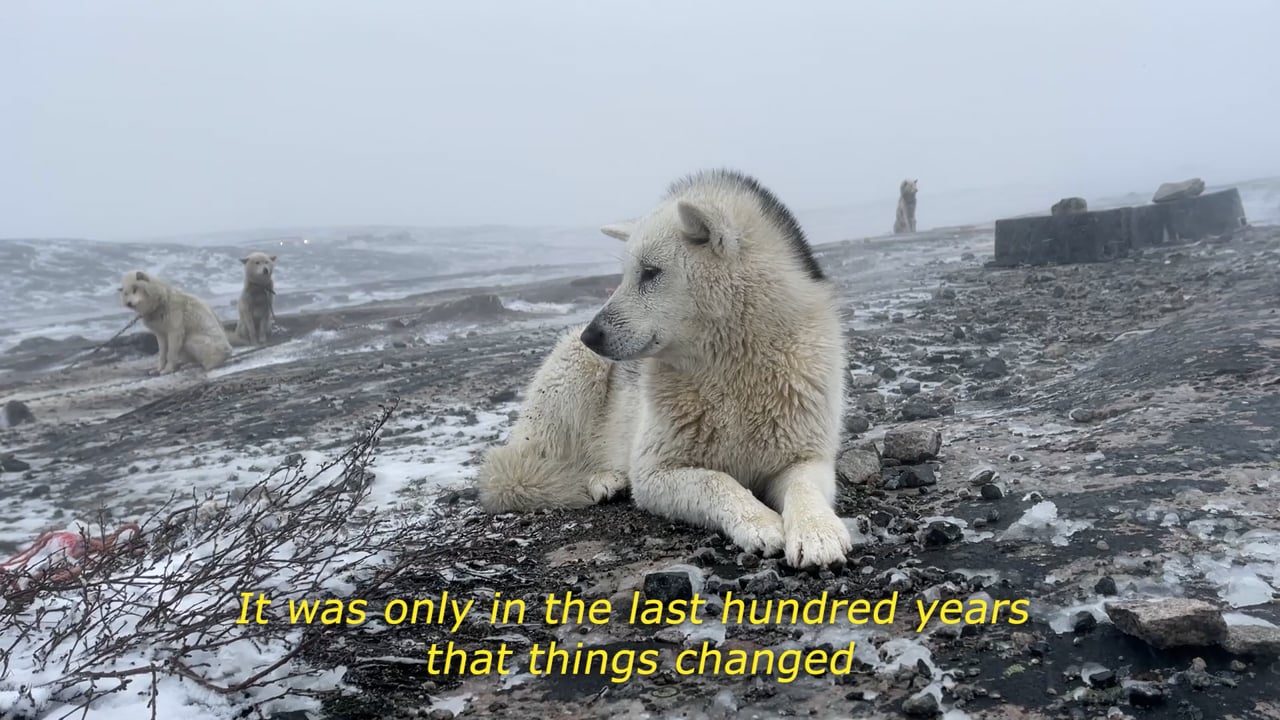
Arctic sled dogs are seen in this image taken from National Film Board of Canada’s “Qimmit: A Clash of Two Truths” which follows the history Canadian dog slaughter in the Arctic. Sled dogs were, and remain, a regular mode of transportation for Inuit living in the north.
Photo courtesy of the NFB
The lack of recognition from Ottawa left unhealed wounds on the community, but Nalukturuk said he now hopes economic benefits from the hydro-grid will empower younger generations.
- An extended interview with the late Simeonie Nalukturuk is available here. It contains details some may find distressing.
Palliser and Nalukturuk’s common desire to see Inukjuak emerge and benefit from the hydro-grid project echoes Pituvik’s ambition.
“We need to heal first of all,” Sarah Lisa Kasudluak, president of Pituvik Landholding Corporation, said. “And I think that’s really going to help, with this project, we can get resources.”
“I had to really think ahead on what kind of future I want for my people. I really want my people to be able to stand on their own feet and to be able to do stuff on their own.”
The latest Census data from 2016 showed Inukjuak had one of the highest unemployment rates in Canada, at 23 per cent compared to a national average of seven per cent.
Kasudluak said she wants to target education and unemployment with the revenue from the hydro plant.
“This is something that is very futuristic, that will make our people stand on their own,” Kasudluak said. “It’s a modern way to produce energy and use our resources.”
OWNERS OF INNOVATION
Construction began in 2020 after being delayed due to the pandemic, following decades of collaborative work between Pituvik, Hydro-Québec and Innergex. The overall estimated cost is $125 million dollars, and is being financed through a series of partnerships, loans and grants.
Innergex, a renewable energy leader based in Quebec, is overseeing the construction and operation with the Pituvik Landholding Corporation under a 50-50 partnership. The 7.5-megawatt hydro plant is scheduled for commercial operation in early 2023.
The project is a run-of-river power plant, which uses the steady flow of water to spin energy turbines. Water is then returned to the river, with little to no storage, unlike traditional hydro electric dams. For the time being, diesel generators will stay in place as a backup source of electricity.
Pituvik and Innergex will split the revenue equally. Both signed a 40-year power purchase agreement with Hydro-Québec. Over that term, the partners are expected to generate tens of millions of dollars in net profit.
The partnership is not only a milestone in Quebec, it is also the first of its kind in all of the North American Arctic region.
“It’s a challenge of a lifetime … to be the first one to build a structure like that in the north,” CRT construction project director Alain Labonté said.
Labonté said many consultations on the project, which is located 10 kilometres from town, were made with the community beforehand.
“The river here is the source of water they are drinking every day, and we are building an infrastructure upstream of the intake, that’s the challenge, to make sure the water stays in the same condition that it was before,” Labonté said, adding that there had been concerns over flooding and contaminated water in the community.

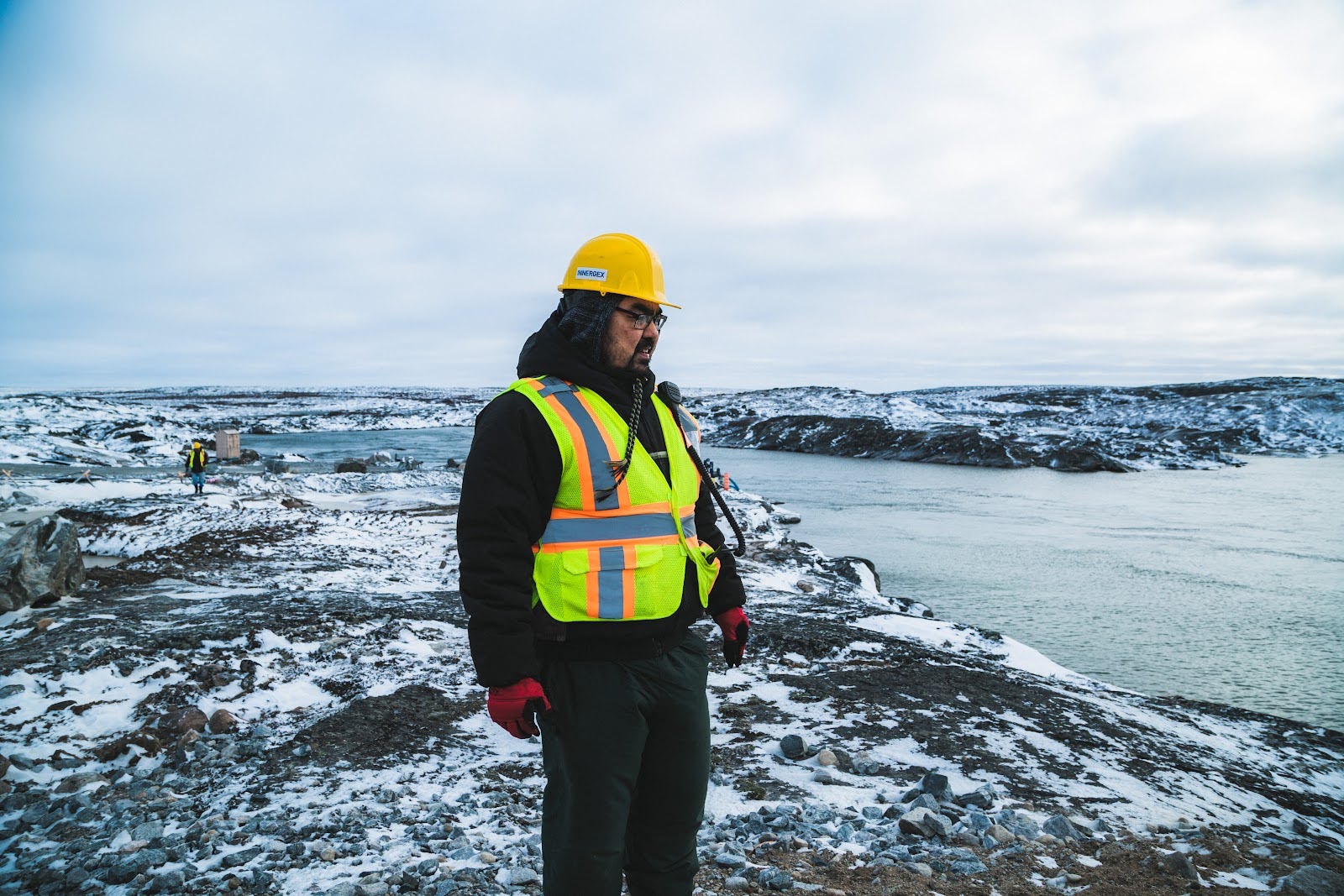
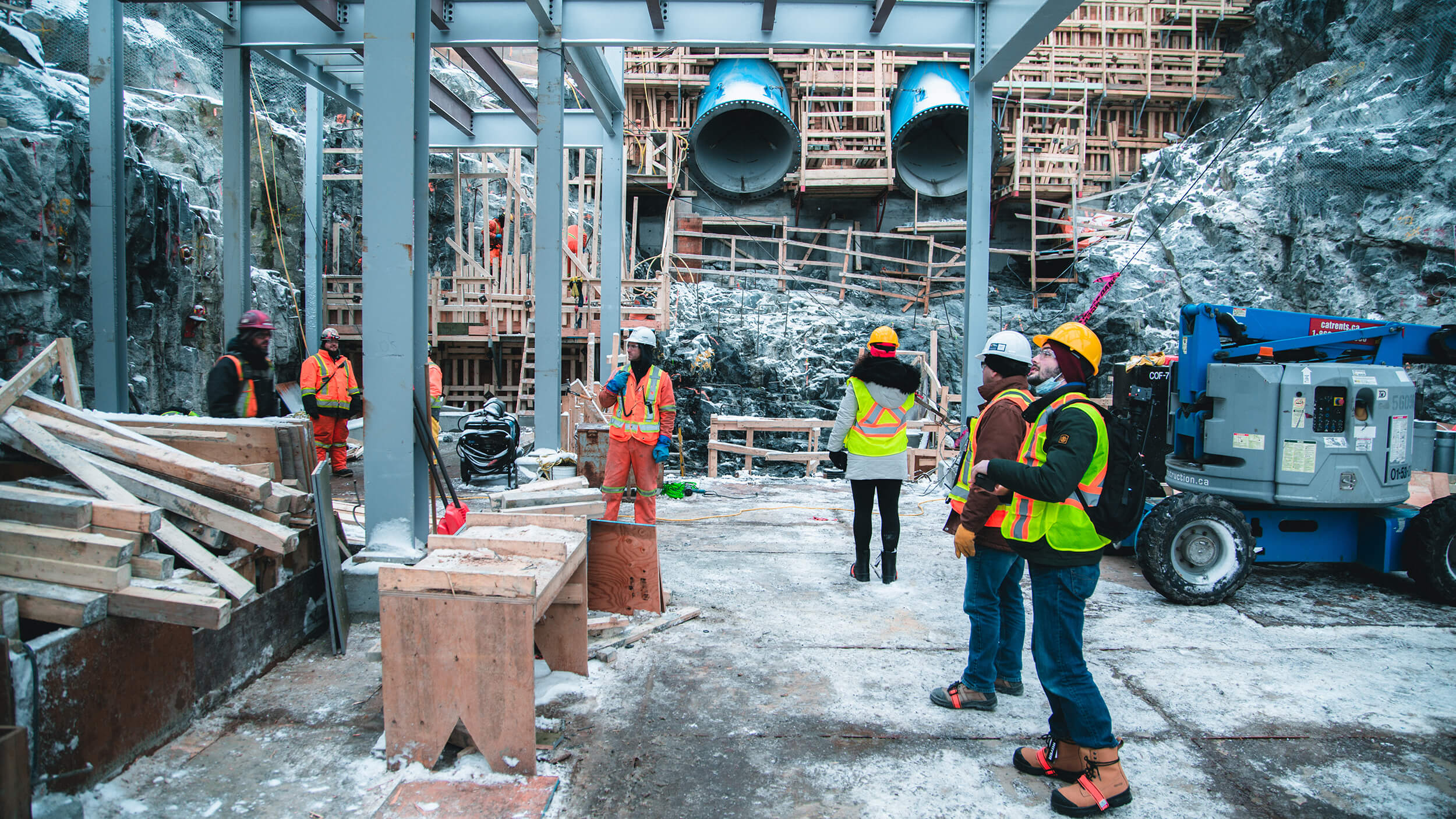
A worker stands in the construction site for Inukjuak’s hydroelectric project which, once completed, will provide a surplus of energy to the community, which presently relies on diesel. The construction season is restricted to warmer months, and materials can only be flown to the site, or brought in by boat.
Kaaria Quash
Inukjuak’s community members voted in favour of the project by close to 80 per cent in 2010. Some members, however, have raised concerns over the impact it would have on the water quality and environment.
Davidee Inukpuk is among the members who fear the project will have negative consequences, particularly when it comes to diverting the river to build the dam.
“We drink that water, we hunt on it, our animals depend on it,” he said.
The project has been subject to environmental and social impact assessments for the past 10 years to monitor and mitigate impacts, and to put compensation measures in place. Labonté also said because the hydro plant will not store water in excess of the high-water mark, the possibility of flooding is eliminated.
Atagotaaluk, who monitors the water days and nights, said the community’s concerns are the very reason it is crucial for him to do things right.
“We are going to continue testing the water as long as the construction activity is going on,” he said.
“Before the river freezes off.”
For Sarah Lisa Kasudluak, the timing of the project couldn’t be better.
“Fifteen years ago, nobody was ready for it,” she said.
“I think our timing is kind of perfect for the world to follow our change … I see my people standing on their own feet, working on their identity, culture and themselves.”

The Inukjuak, Que. skyline is seen in fall, 2021. The lights illuminating these houses are powered by diesel, which is the principal source of energy in the community of about 1,800.
Kaaria Quash
PHOTO GALLERY BY KAARIA QUASH
Inukjuak to leave diesel behind
Click any image to explore the story behind each photograph.







Canada’s History in Inukjuak

Photo credit
Inukjuak’s former mayor, the late Simeonie Nalukturuk, describes, in his own words, Canada’s traumatizing influence in Inukjuak
Inuit in Inukjuak are still overcoming the effects of Canadian influence in their home. In this extended interview, Inukjuak’s former mayor, the late Simeonie Nalukturuk describes, in his own words, the residential school system, the dog slaughter, and the forced Arctic relocation. CONTENT WARNING — This interview contains details some may find distressing.
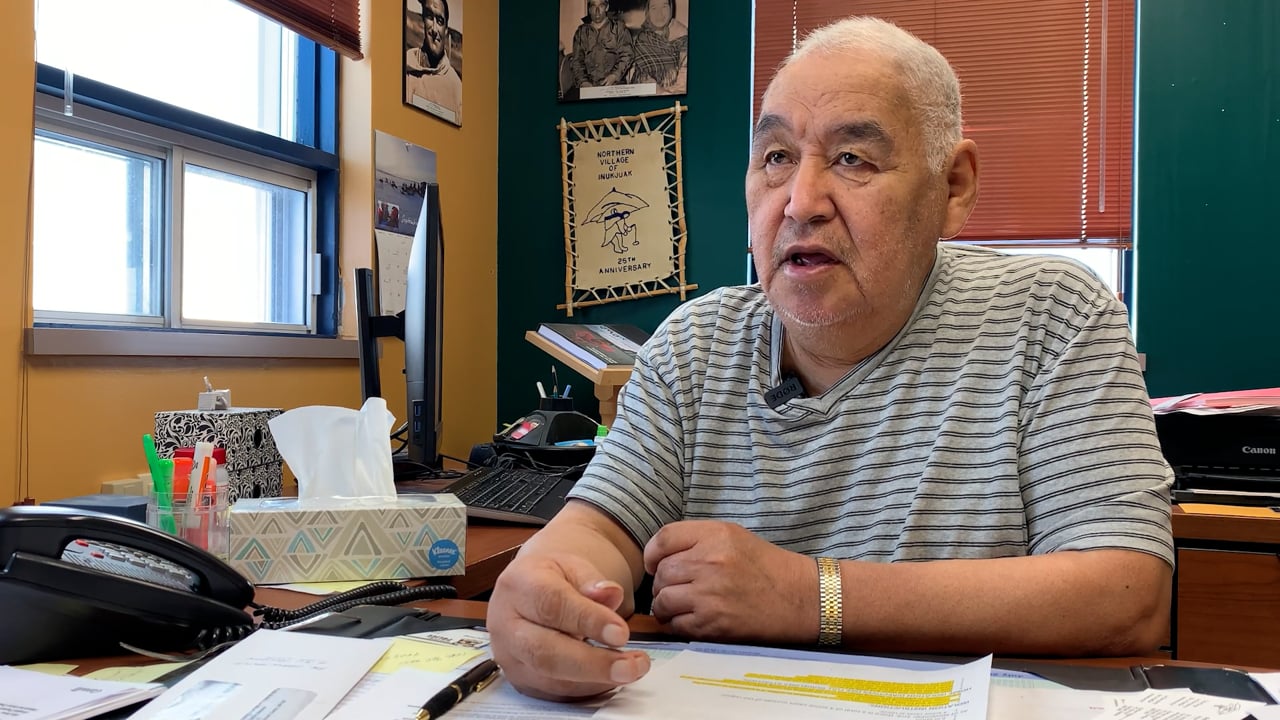
CONTENT WARNING — This interview is about Canada’s history in Inukjuak, which includes residential schools, sled dog killings and the forced relocation of Inuit peoples. Some may find it distressing. This video is also part of a collaborative news interactive on energy leadership in Nunavik. To be directed to the home page, click here.
Inuit in Inukjuak are still overcoming the effects of Canadian influence in their home. In this extended interview, Inukjuak’s former mayor, the late Simeonie Nalukturuk describes, in his own words, the residential school system, the dog slaughter, and the forced Arctic relocation.
Nalukturuk was a respected elder and accomplished leader in Nunavik with a long history of civic engagement. He was first elected as President of the Community Council in Inukjuak in 1972 and elected again later as mayor. He also represented his fellow Nunavimmiut in many regional roles: as President of the Nunavik Constitutional Committee (NCC) and chairman of the Kativik Regional Government. Nalukturuk was also deeply involved in the Makivik Corporation, an Indigenous political organization representing the Inuit of Nunavik. He was elected community director for Inukjuak in Makivik’s year of inception,1978, Corporate Secretary in 1980, third vice-president in 1983, and president in 1994, during which time he signed the Raglan agreement.
What I have come to understand, slowly and through relationship, is that good journalism in this context is not about telling stories. It is about sharing them with permission, care, and ongoing accountability to the people whose stories they are.
EDITOR’S NOTE –
This video was recorded on November 4th, 2021, Simeonie Nalukturuk’s last day in office as Mayor of Inukjuak. When we arrived at his office, he invited us to sit down, and he then began to speak. It wasn’t really an interview; rather, he spoke, and we listened.
When we learned of his passing in April 2022, we thought that sharing his video would be the best way to pay tribute to him. In consultation with Simeonie’s widow, Aalacie Nalukturuk, and community leaders, we edited the video with archival images and video we shot while in Inukjuak. Aalacie pre-screened and approved the dissemination of “Simeonie Nalukturuk: in his own words.” Nakurmiik, Aalacie.
SUPPORT RESOURCES
Residential School Survivors Society Crisis line: 1-866-925-4419
Kids Help Line: 1-800-668-6868
Native Youth Crisis Hotline: 1-877-209-1266
Article by Aphrodite Salas
Concordia project: Green energy reporting and Call to Action 86
This is a story about Inuit resilience, self-determination and true climate leadership.
The world premieres of Innavik: Leading the way to a clean energy future, and Simeonie Nalukturuk: in his own words, took place at Uquutaq High School in Inukjuak, the day before going live on the CTV Montreal website. Next up, we will screen with the Indigenous Clean Energy (ICE) team at the Canada Pavilion at COP27 in Sharm El-Sheikh, Egypt. The focus is on Indigenous communities leading the way in Canada’s energy transition. In this case, once the hydro project is up and running, the per capita greenhouse gas reductions in Inukjuak will be more than what any community in Canada has ever done.
There is a behind-the-scenes part to this story, however, that I am proud to share. That part is about bridge-building, collaborating and creating space for new kinds of journalism partnerships in response to the Truth and Reconciliation Commission and Call to Action 86. Since 2018, I have been working with Indigenous Clean Energy to develop strong relationships with communities that are leading the shift to clean energy. We work collaboratively to develop journalism that will amplify stories of Indigenous climate leadership far and wide.
Underlying these efforts is the recognition that generations of journalists have caused great harm to Indigenous peoples by repeatedly using racist, negative stereotypes, parachuting in and out of their communities and practicing extractive journalism. As a non-Indigenous person, I have a lot to learn and approach this work with humility and care, and this is something I encourage each of my students to do as well. We can and must do better.
What is conciliatory journalism?
My research is about exploring conciliatory journalism, and methods developed by Finnish researchers that focus on how we report during times of social polarization. These methods, along with Anishinaabe journalist and scholar Duncan McCue’s advice on decolonizing journalism education, have been instrumental in the formation of my ongoing projects.
The project in Inukjuak started in 2019, when Chris Henderson of Indigenous Clean Energy told me about the historic work being done there, and proposed an introduction to community leaders. That introduction followed soon after, and I engaged in initial conversations with Terri
Lynn Morrison of ICE and Eric Atagotaaluk of Pituvik. Between 2019 and November 2021, when the Concordia team finally made the trip north, we focused on learning as much as possible about the renewable energy project and the people of Inukjuak. Eric was instrumental in meeting our group via Zoom beforehand, and spent time helping us understand the community context and the history of Inukjuak. Organized by Sarah Ladik, Globe and Mail journalist Willow Fiddler gave us training on responsible reporting in Indigenous communities through Journalists for Human Rights (JHR). Rachel Pulfer, Executive Director of JHR, and Jordan MacInnis of JHR were early supporters of this research and the support we have received through JHR organization has been integral to the success of our work.
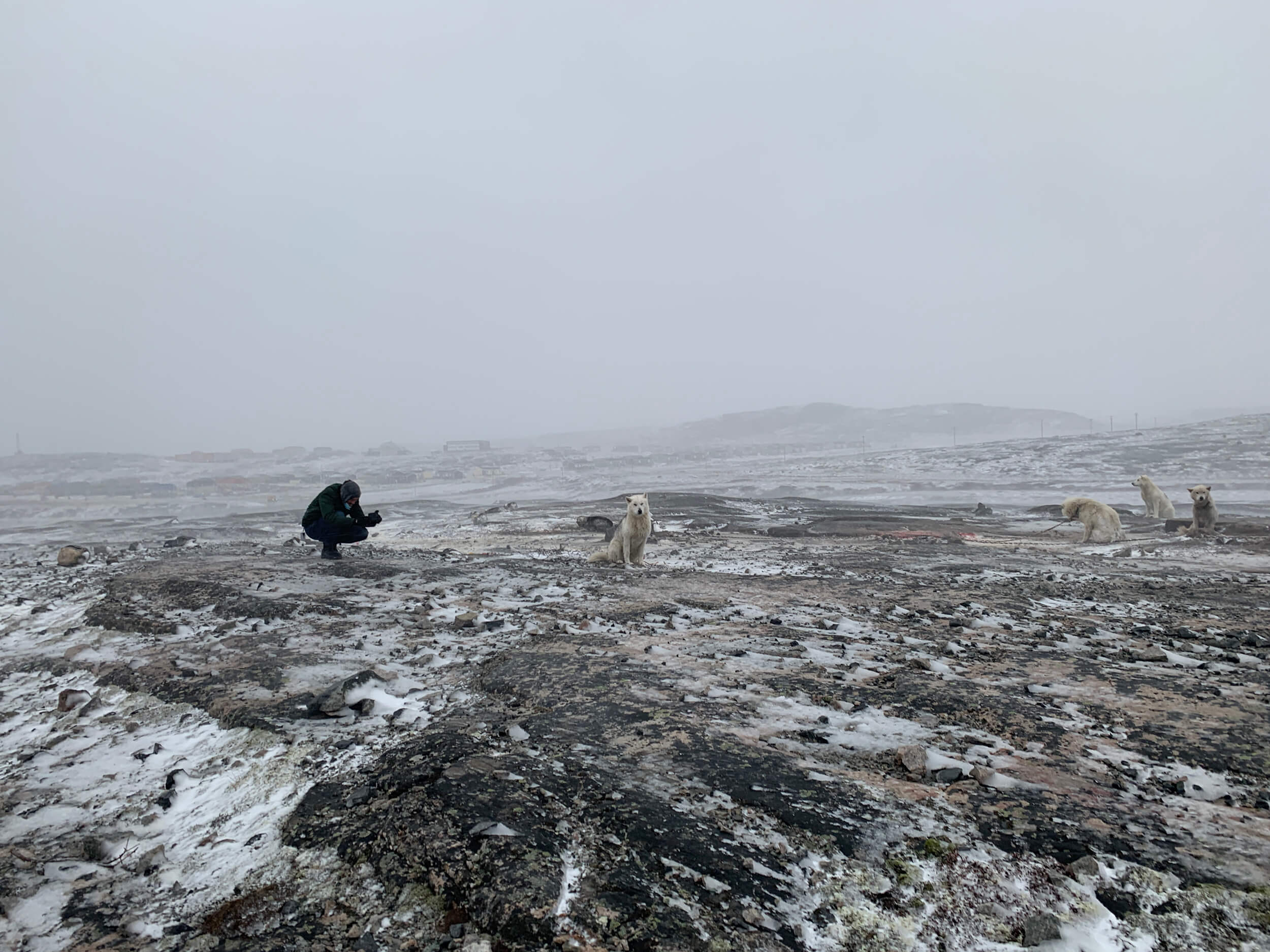
Upon arrival in Inukjuak, we met Johnny Mina who drove us everywhere we needed to be, and Aalacie Nalukturuk who provided translation during our time there and for the documentary. At one point, we were invited on to a community radio call-in show to explain who we were and what we were doing there. I will never forget that experience of learning and sharing on the radio during our first evening in Inukjuak. We are also grateful to Tommy Palliser who spent time with us, let us meet and play with his family’s dogs, and shared his insights, not only during our time in Inukjuak but over the past year as we worked to get the story right. Johnny Kasudluak, who has been incredibly busy in the past few months, still found time to do voiceovers in both Inuktitut and in English. Nakurmiik, Johnny.
As work on the documentary project progressed in the spring and summer of 2022, Eric and I met in Ottawa at the annual Indigenous Clean Energy gathering. At that point I was able to share an initial cut of the project. As a group, the students and I decided to create two documentaries after the unexpected passing of community elder and leader Simeonie Nalukturuk. He had spoken to us on his last day in office as Mayor of Inukjuak, and it was less an interview and more a moment for him to say what was on his mind. I think I asked two questions. He knew what he wanted to say and he said it. We felt it would be wrong to edit the video down, but we wanted to make sure this would be acceptable to his widow, Aalacie. Eric helped us navigate these conversations and we are very grateful for that as well.
Funding for the project has come from the Social Sciences and Humanities Research Council of Canada, the Petro-Canada Young Innovator Award at Concordia University, and private donors who paid for extra student honorariums and airfare to Inukjuak. Did you know it can cost $2,500 to fly five hours north in our very own province of Quebec? That’s a topic for another day.
In the way of intellectual and practical support, I look to and thank Donna Goodleaf and Concordia’s office of Indigenous Directions, my department chairs Dave Secko and Andrea Hunter and of course my students who believe in the work we are doing and come to the table with all of their hearts and minds.
More than sixty students applied to be a part of my three-student team to Arctic Quebec. Luca Caruso-Moro has put his soul into this project from the very beginning. Now a full-time journalist at CTV Montreal, Luca was responsible for the creation of our website on CTV and for extensive editing and producing of both documentaries. Virginie Ann, now full-time at CBC Whitehorse, shone as our print reporter, engaging in a profound way to write about the climate leadership in Inukjuak with precision, sensitivity and grace. Kaaria Quash captured the most beautiful images during our time in Inukjuak, and compiled a remarkable photo gallery as a result. Kaaria also created the graphics for the documentary and provided editing help at the start. All three were integral in the production of the overall project and all three are extraordinary journalists in their own right.
Collaborative Partners
Three main collaborative partners have made this work possible.
First, as I mentioned, our partnership with Indigenous Clean Energy has formed the foundation for everything we are doing in relation to these projects. Journalists for Human Rights is another official collaborator, and have provided excellent training for student journalists through their Indigenous Reporters Program alongside Globe and Mail reporter Willow Fiddler. CTV Montreal is our media partner, and in particular Amy Luft has been a steadfast supporter, offering journalistic and digital expertise throughout the creation of our platform, with her sharp intellect and creative talents. Jed Kahane was an early supporter since 2018, which we will always be grateful for, and Chris Bury has subsequently supported and encouraged our partnership.
Nakurmiik to all, for helping to create this important platform from which Inukjuak’s inspiring story of Inuit innovation can be shared with the world.
Watch
CTV Interviews

Behind the scenes: Exec. Producer Aphrodite Salas
Executive Producer Aphrodite Salas on the inspiration for the project and plans to highlight Indigenous clean energy initiatives
Watch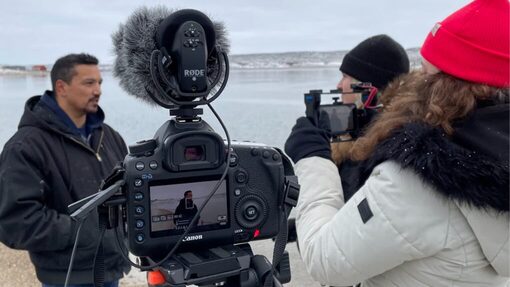
Clean energy project comes to northern Quebec
A hydroelectric facility will provide clean energy to Arctic Quebec. The project is the subject of a Concordia documentary.
Watch
Clean energy and collaboration in Inukjuak
Eric Atagotaaluk and Chris Henderson on a clean energy project in Inukjuak that has led to a collaborative documentary.
WatchPhoto Gallery
Behind the Scenes



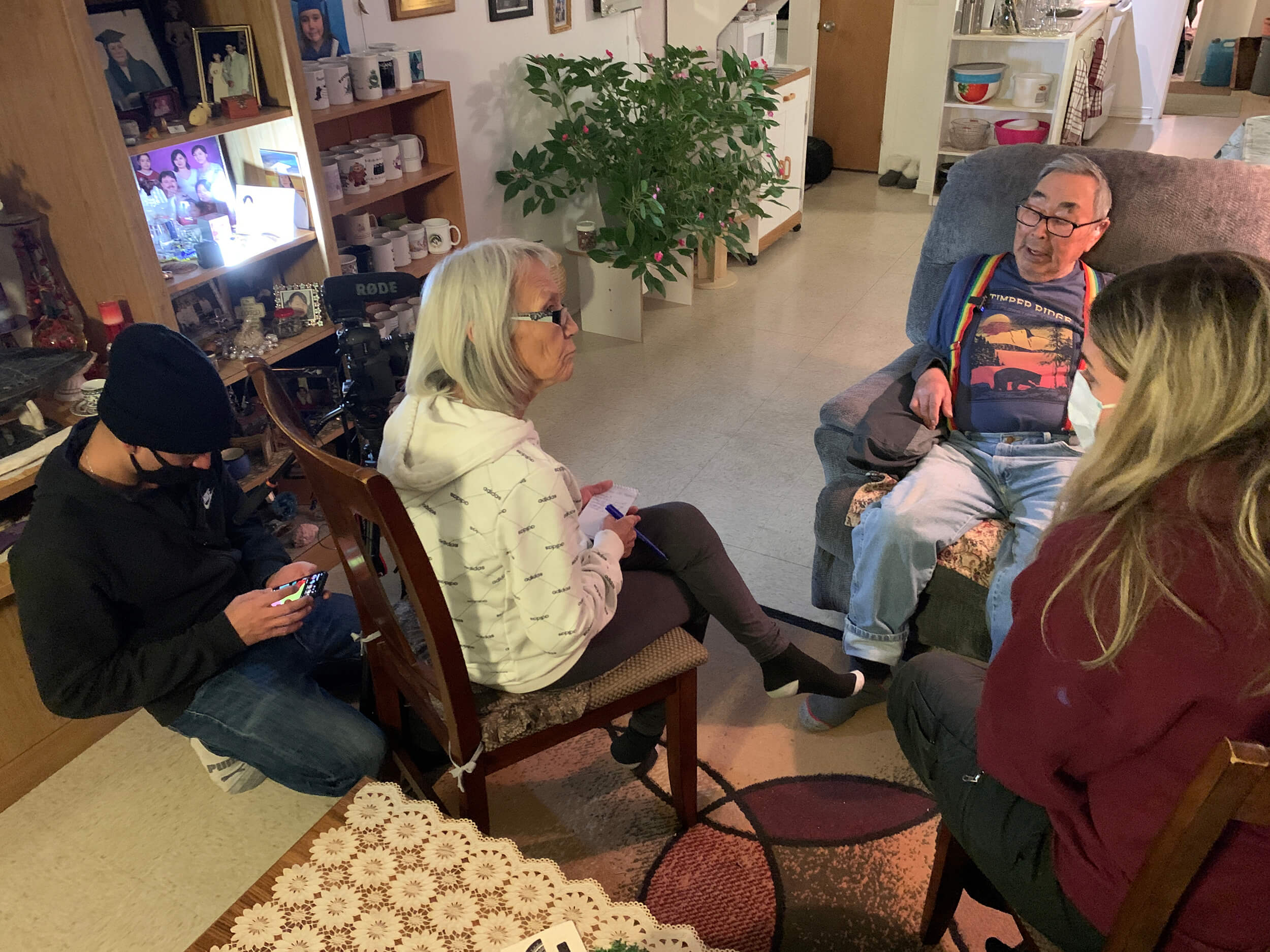
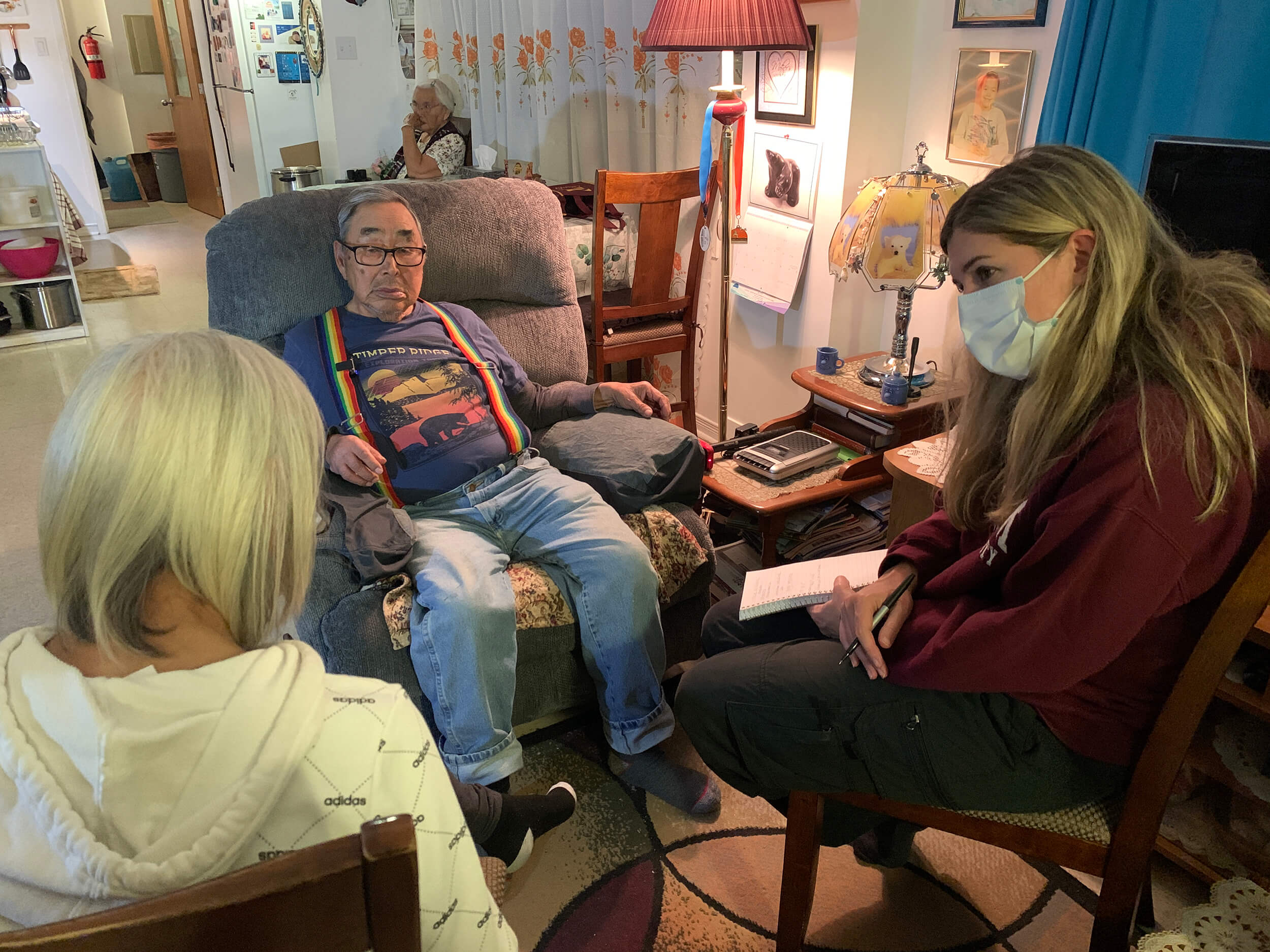
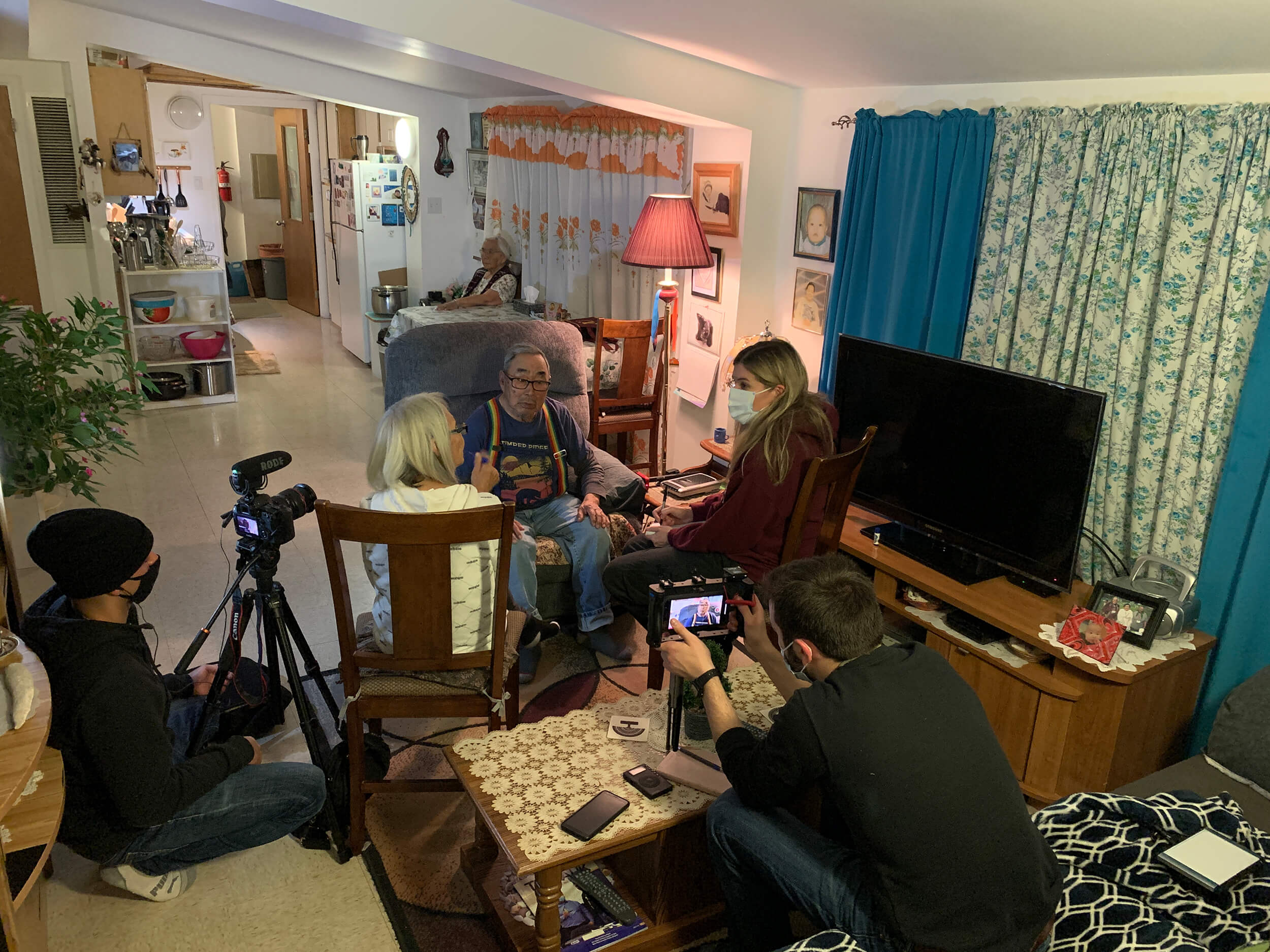


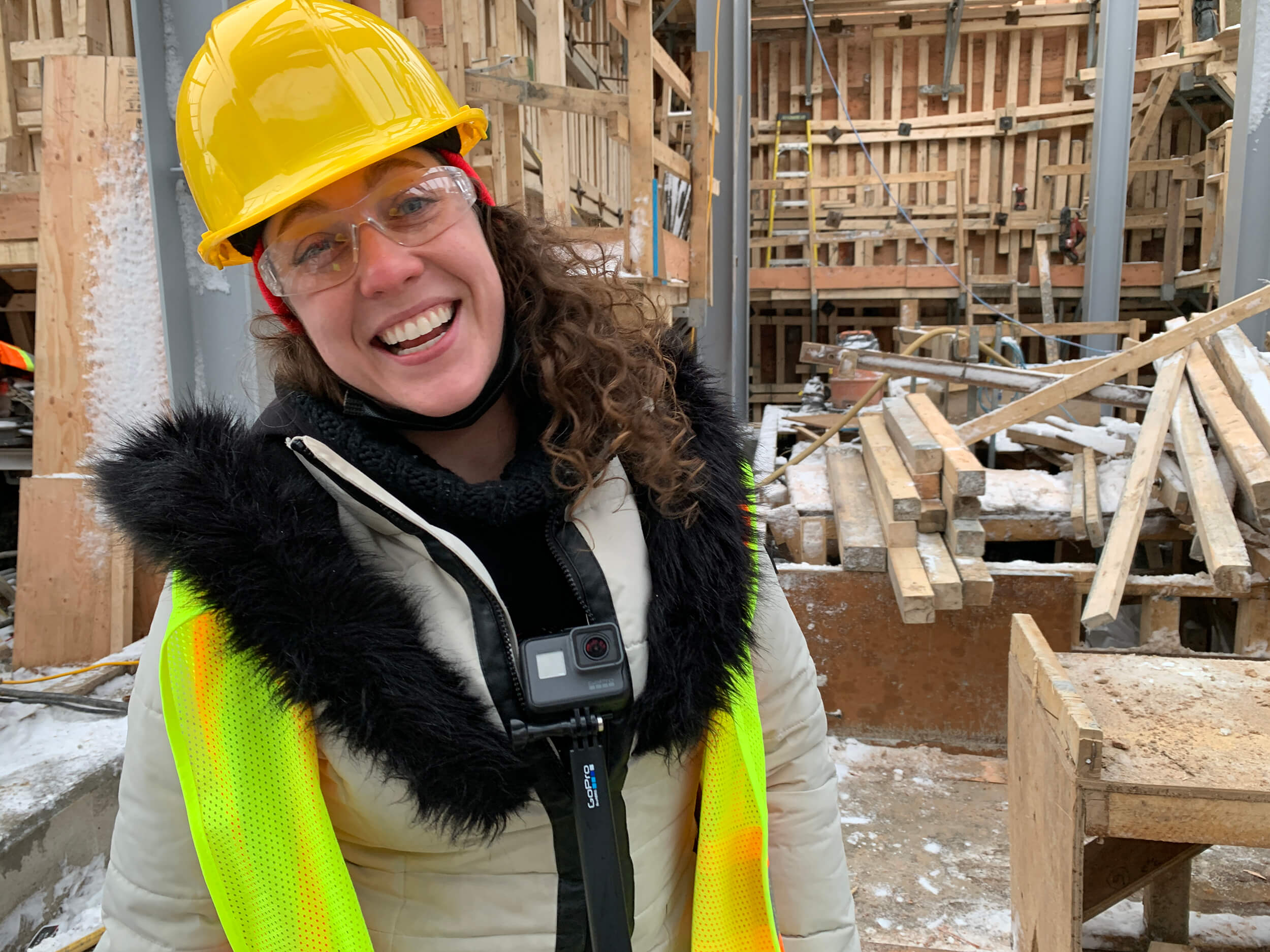



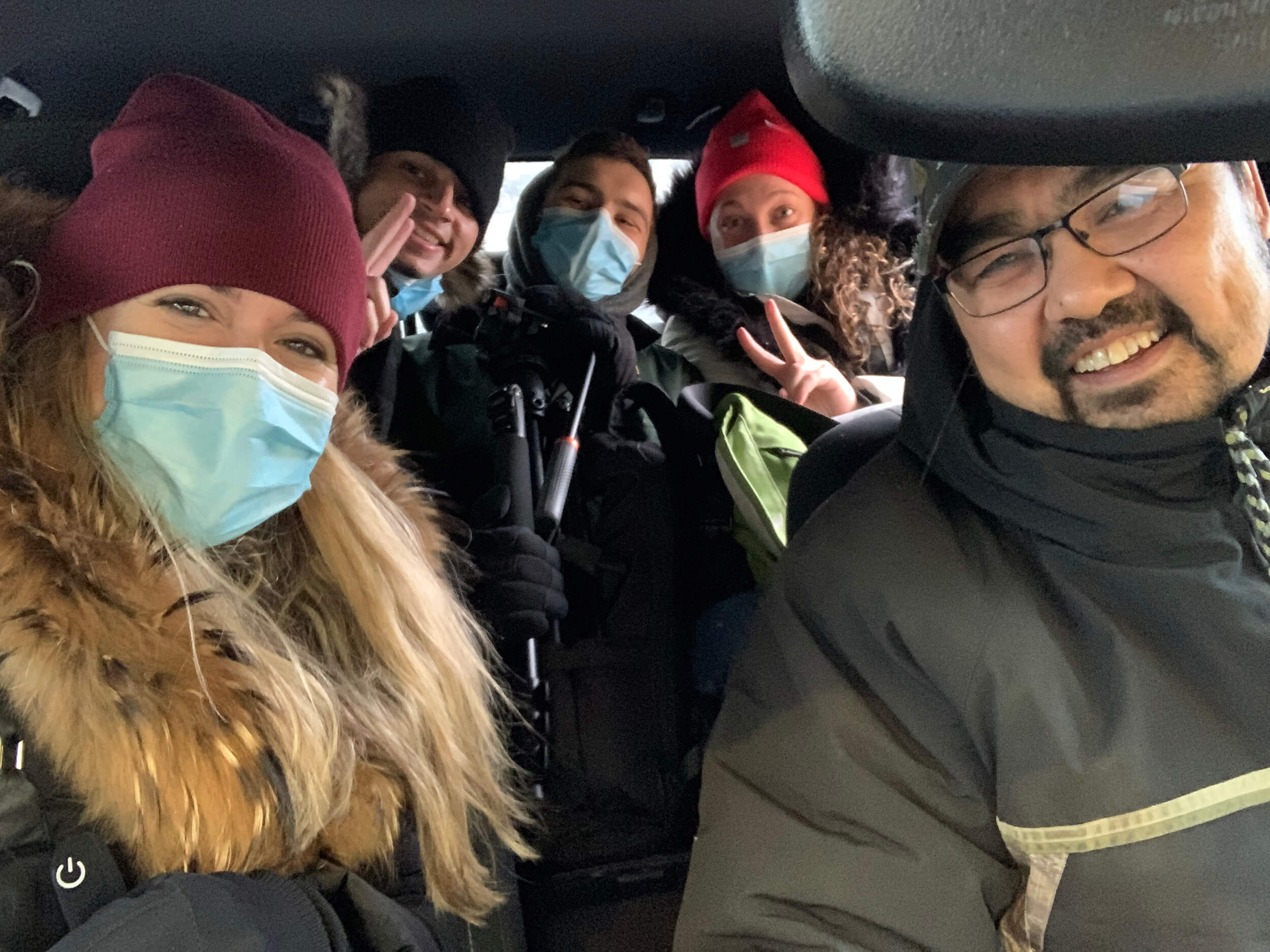
The people behind the work
A collaborative, community-rooted team
This work is shaped by relationships with community members, students, researchers, and partners who contribute to the project with care, accountability, and shared purpose.
Meet the TeamAphrodite Salas
READ MORE: ABOUT THIS PROJECT
About this Project
Who is behind this project?
This project is a collaboration between CTV News Montreal, Concordia University, Indigenous Clean Energy, and Journalists for Human Rights.
What inspired this project?
Concordia professor and Executive Producer Aphrodite Salas launched the project in response to the Truth and Reconciliation Commission and Call to Action 86, “to require education for all students on the history of Aboriginal peoples.”
Where will this be screened?
As well as being available to all on CTVNewsMontreal.ca, the world premieres of Innavik: Leading the way to a clean energy future, and Simeonie Nalukturuk: in his own words, took place at Uquutaq High School in Inukjuak on Nov. 2. It will also screen at the Canada Pavilion at COP27 in Egypt, taking place Nov 6-18, 2022
How can I find out more?
Click here for the project’s backstory, and to learn more about the people who put it together.
About Inukjuak
Where is Inukjuak?
Inukjuak is located in Nunavik, in northern Quebec, about 1,500 kilometres north of Montreal.
How many people live in Inukjuak?
There are approximately 1,800 people living in the municipality.
What is some of the local history?
The area was named Port Harrison at the beginning of the 20th century when a French fur trading company called Révillon Frères established a post there. Archeological evidence suggests Indigenous people have been living in the area for thousands of years, and many Inuit continued to live out on the land until the 1950s, when it became more common for Inuit to settle in the village.
What is Inuktitut?
Inuktitut is one of several common languages spoken in Inuit communities the Canadian arctic, Alaska, Russia’s Chukotka Peninsula, and Greenland. There are many regional dialects spoken across Inuit traditional territory. The INNAVIK documentary voiceover was recorded in Inukjuamiutitut – the dialect spoken in Inukjuak.
About Diesel Fuel
What do people in Inukjuak use diesel for?
Diesel fuel is the main source of energy in the community, and it’s common to see large tanks outside communal buildings like the hospital, school, and general store. Houses also rely on diesel for heating and electricity.
What are the risks of diesel in Inukjuak?
The diesel in Inukjuak is brought into town by ship, and large tankers can only bring in fuel when the water around Nunavik thaws. Fuel spills are a constant risk at all stages of delivery and usage, and can be catastrophic to the environment, as well as the problems posed by an energy shortage.
Are diesel spills common?
In 2015, more than 13,000 litres of diesel spilled in Inukjuak. The same year, 14,000 litres spilled in nearby Ivujivik, and there was another 3,000-litre spill in Salluit.
What is Innavik?
Innavik, which means “a pouch in which one would keep a stone flint and moss to start a fire” in Inuktitut, is a massive hydroelectric project being built in Inukjuak. It’s the first of its kind for the region. It will replace diesel as the community’s primary source of energy, and provide a surplus which Inukjuak will sell back to Hydro-Quebec.


