KIASHKE ZAAGING ANISHINAABEK · GULL BAY FIRST NATION
from shore to sky
In Northern Ontario, Kiashke Zaaging Anishinaabek–Gull Bay First Nation charts its path to self‑determined power.
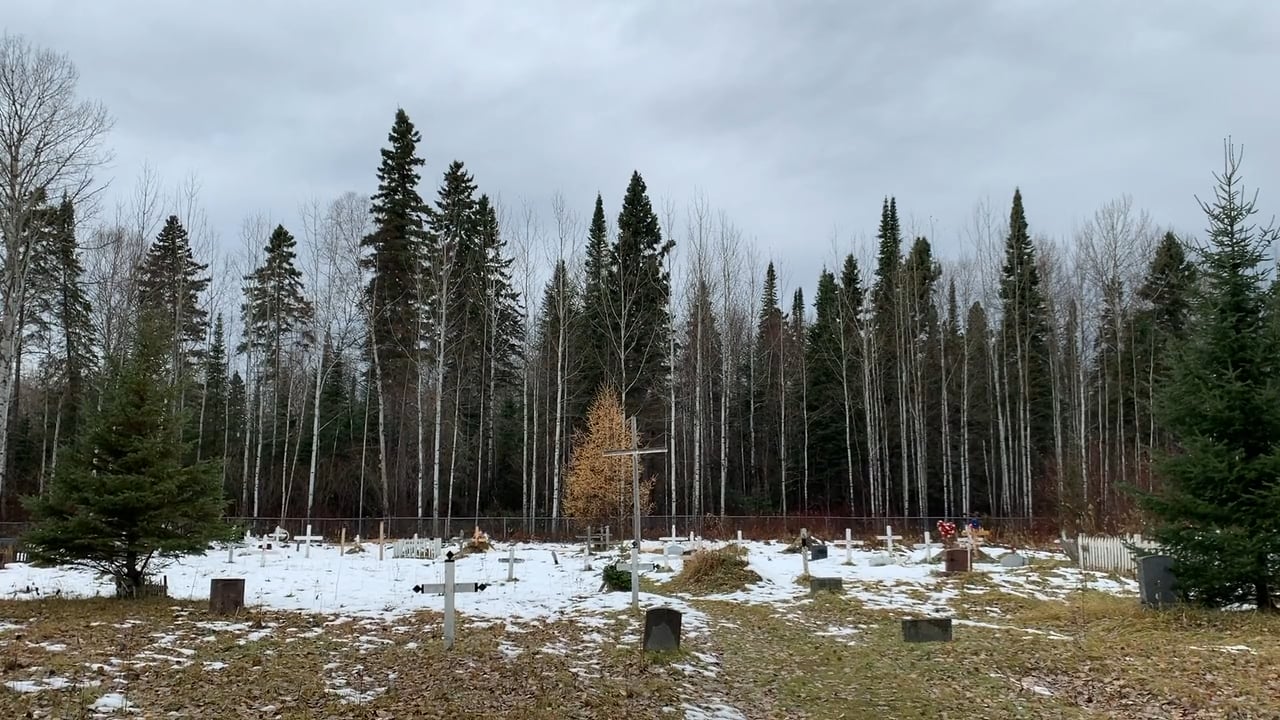
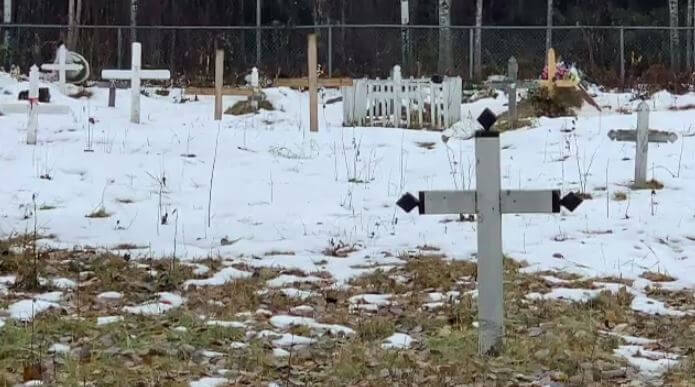
It started with no warning. One day, the water levels rose. Over time, they kept rising. Burial grounds along the shoreline started to come apart. Coffins floated out into the river. Some broke apart in the water. The people of Gull Bay First Nation were faced with the grim task of retrieving and re-burying their friends and loved ones, for weeks at a time. It would take years before they would find out why it all happened. It would take until 2019 until true reconciliation occurred.
Katelyn Thomas



Explore the Project
Article by Marissa Ramnanan
Canadian first: After decades of diesel, solar power comes to remote community
When the diesel generators that powered KZA were officially switched off after 60 years, silence filled the air and six eagles flew overhead.
“Finally, you can have a clear thought, you can hear the crickets, you can hear the birds,” said Mashkawiziiwin Energy Projects Coordinator AJ Esquega. “That’s the sound of solar kicking in… that’s the sound of less diesel to our community, that’s the sound of clean air. And you can see that the birds are already thanking us.”

An eagle soars overhead in Kiashke Zaaging Anishinaabek/Gull Bay First Nation
Katelyn Thomas
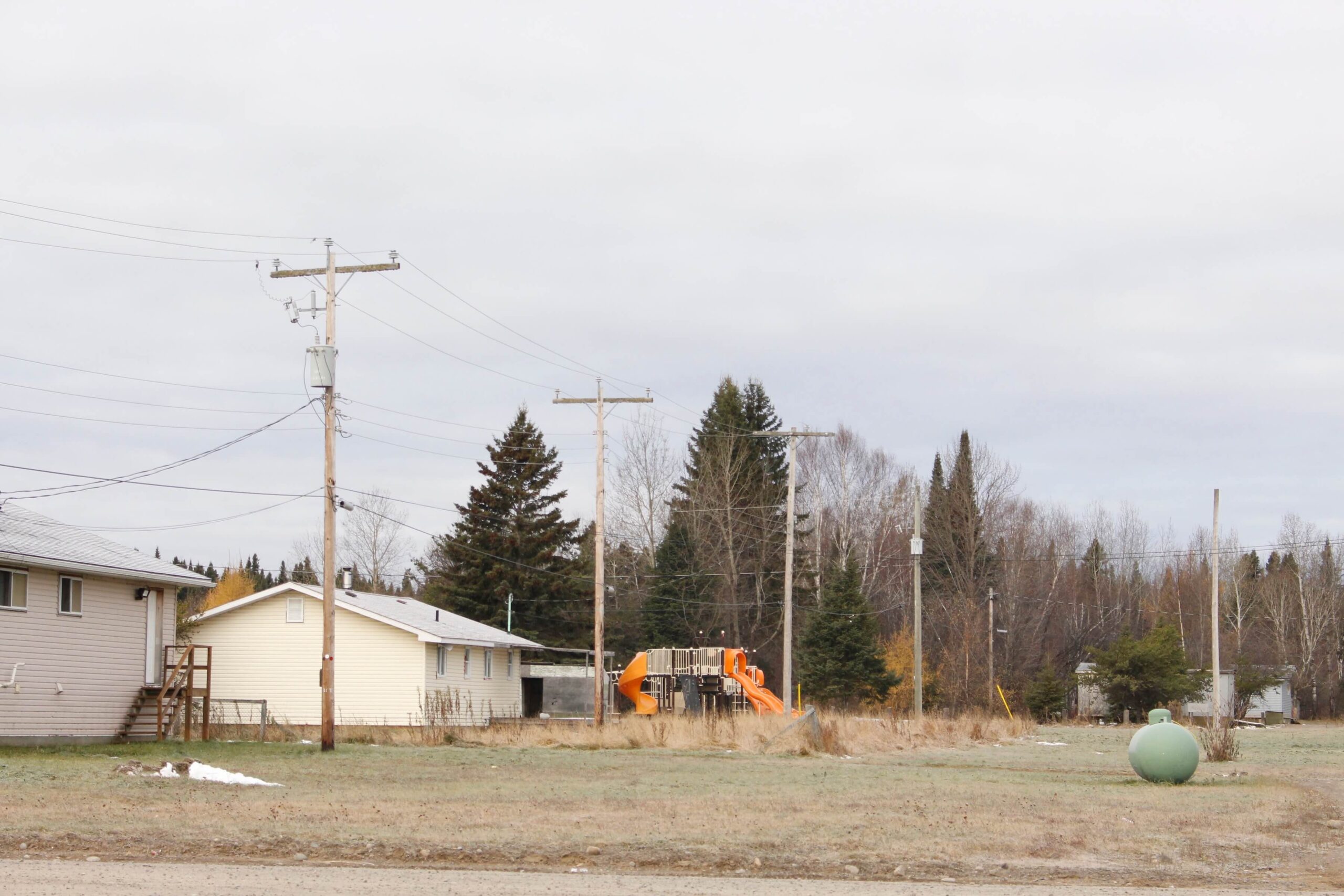
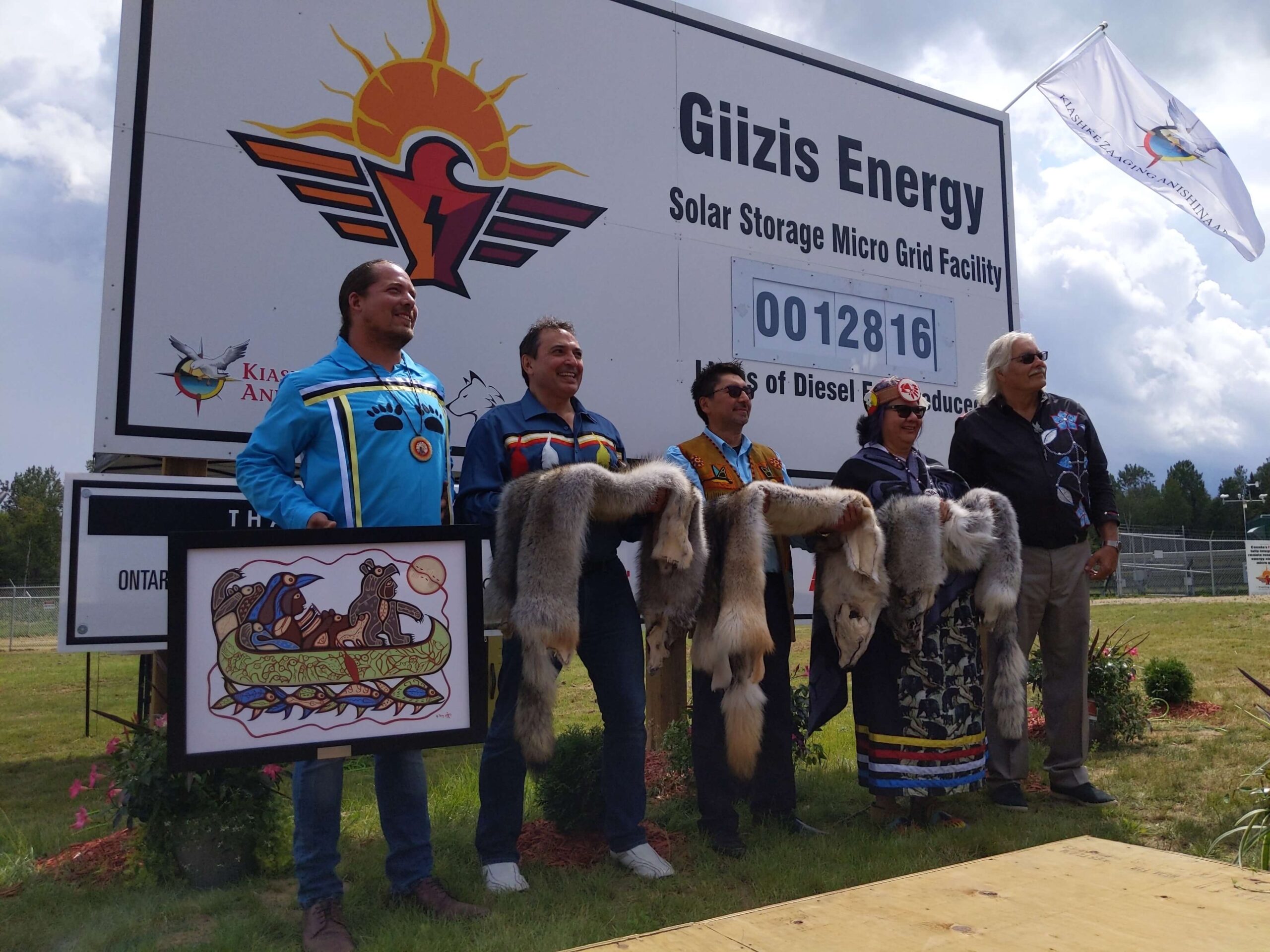
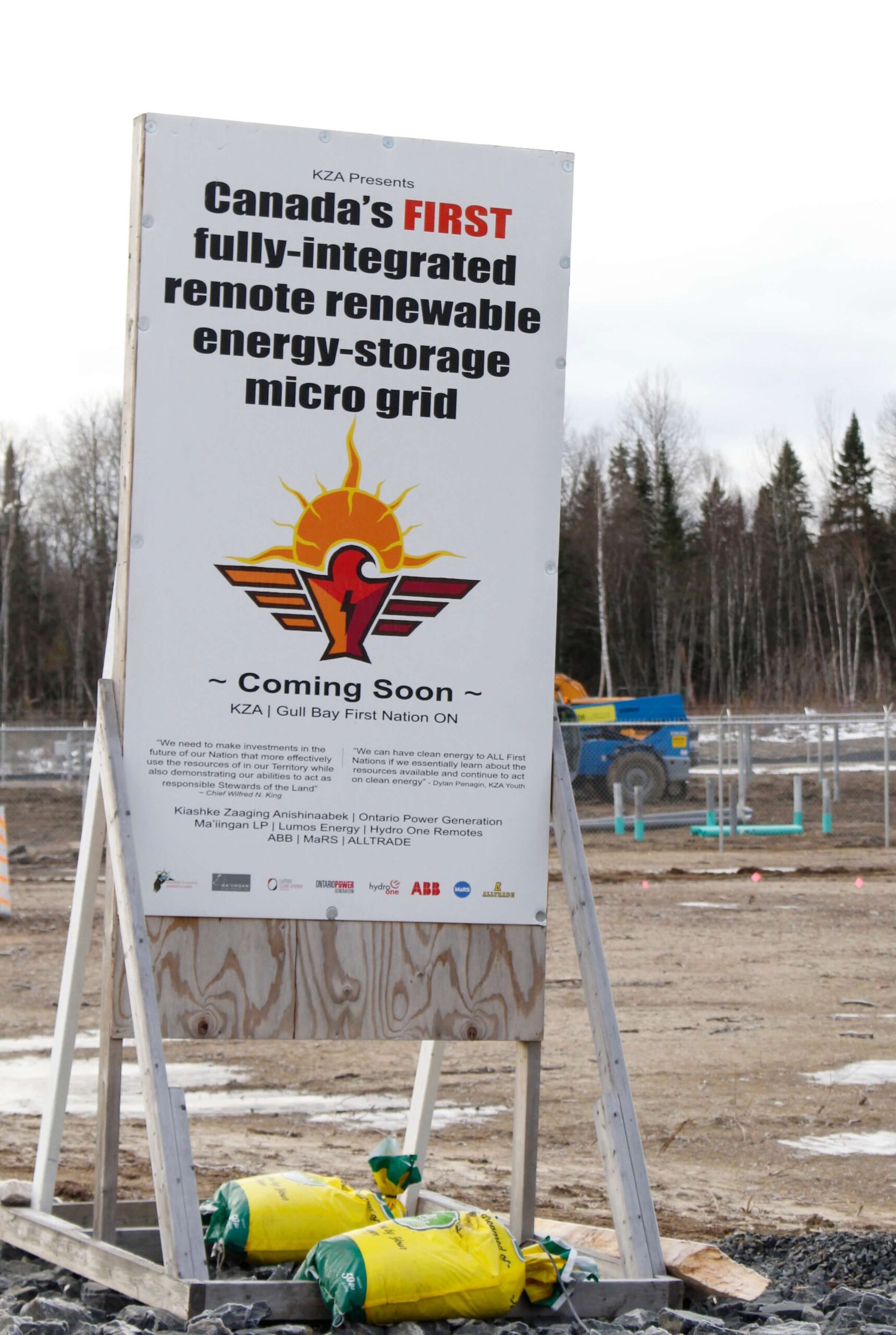
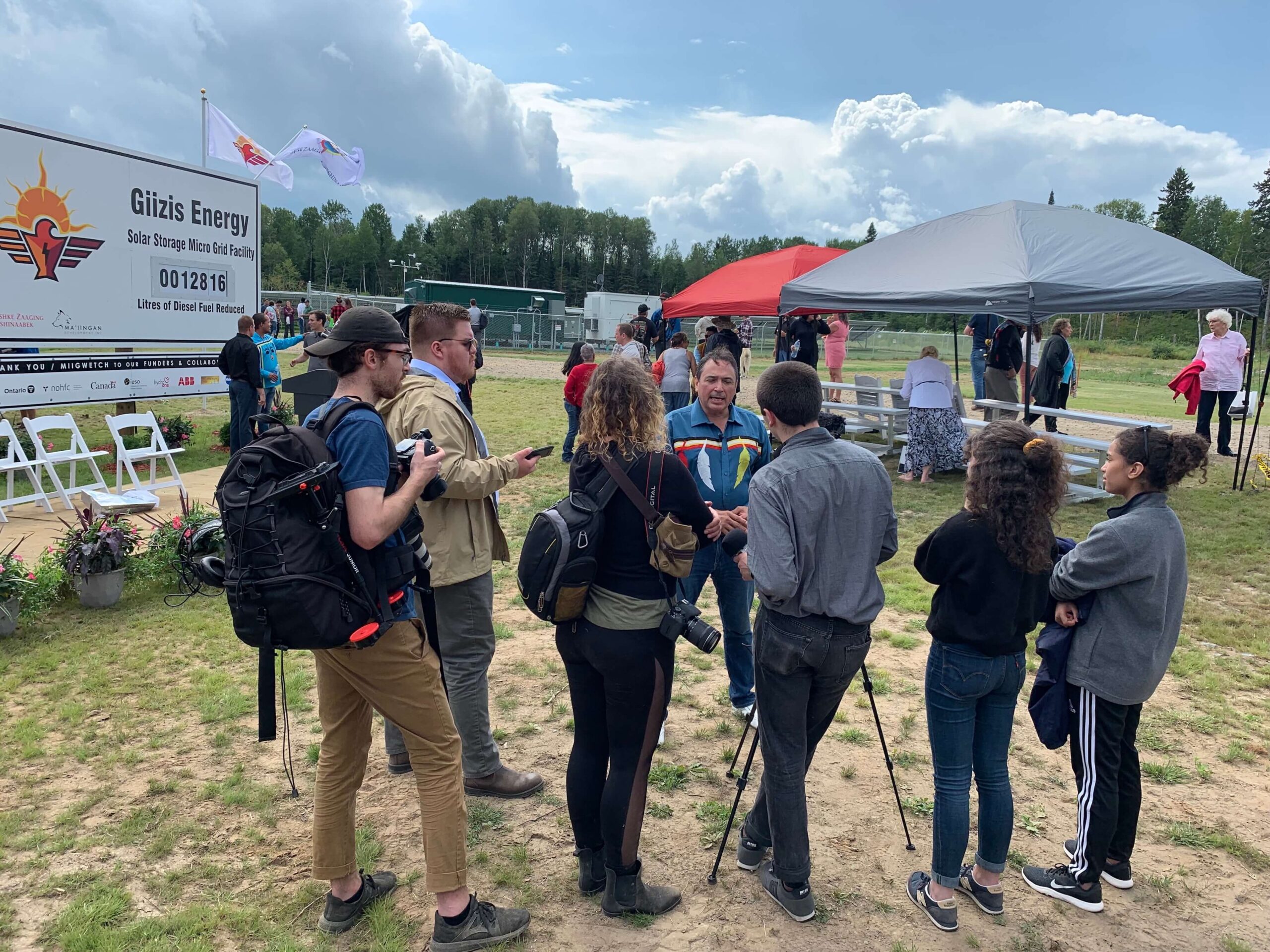
Located roughly 200 kilometres north of Thunder Bay, Ont., KZA is the first remote community in Canada to build a micro grid using solar and lithium-ion batteries to offset diesel usage. For decades, diesel was the only source of power for KZA, which has an on-reserve population of about 300 people. August marked their official move towards clean, renewable energy with the launch of the Giizis Energy Micro Grid Project.
The project is the result of an historic partnership between Ontario Power Generation (OPG) and KZA, and is part of a larger effort towards reconciliation by both parties.
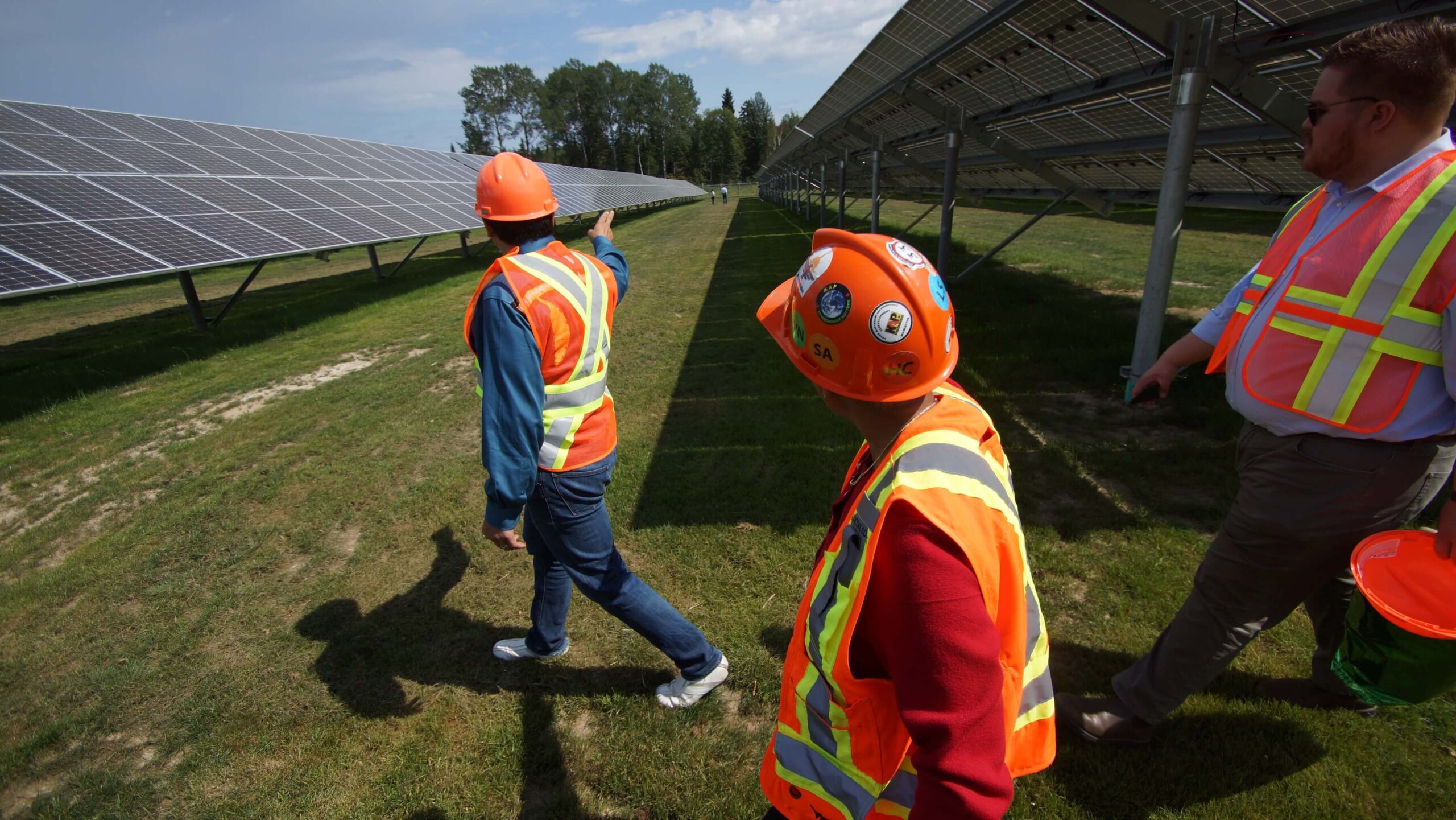
Technicians and guests tour the new Gizis Energy Micro Grid Project in Kiashke Zaaging Anishinaabek/Gull Bay First Nation
Pierre-Alexandre Carrier
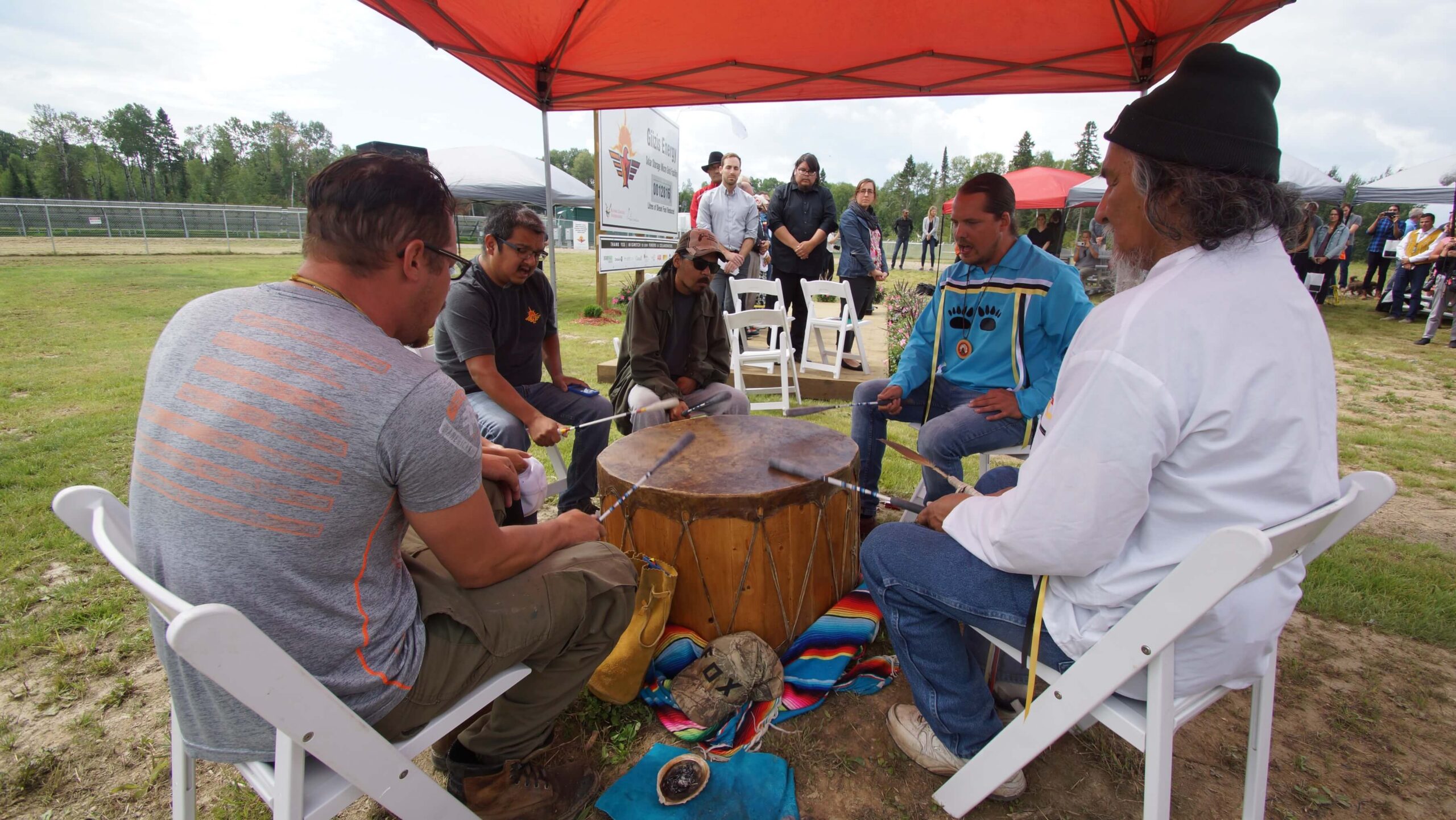
Celebration drum circle
Pierre-Alexandre Carrier
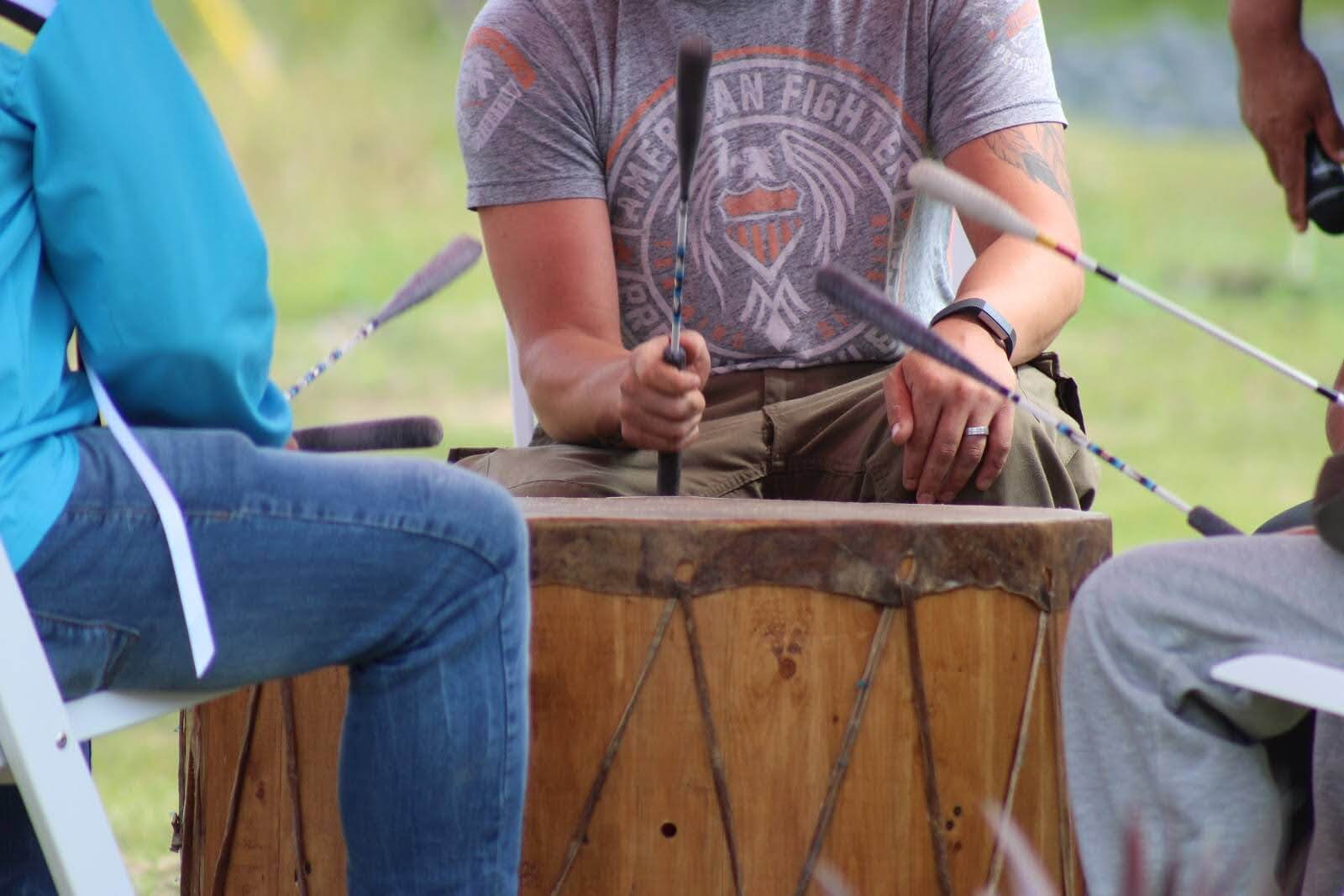
Celebration drum circle
Katelyn Thomas
RECONCILIATION
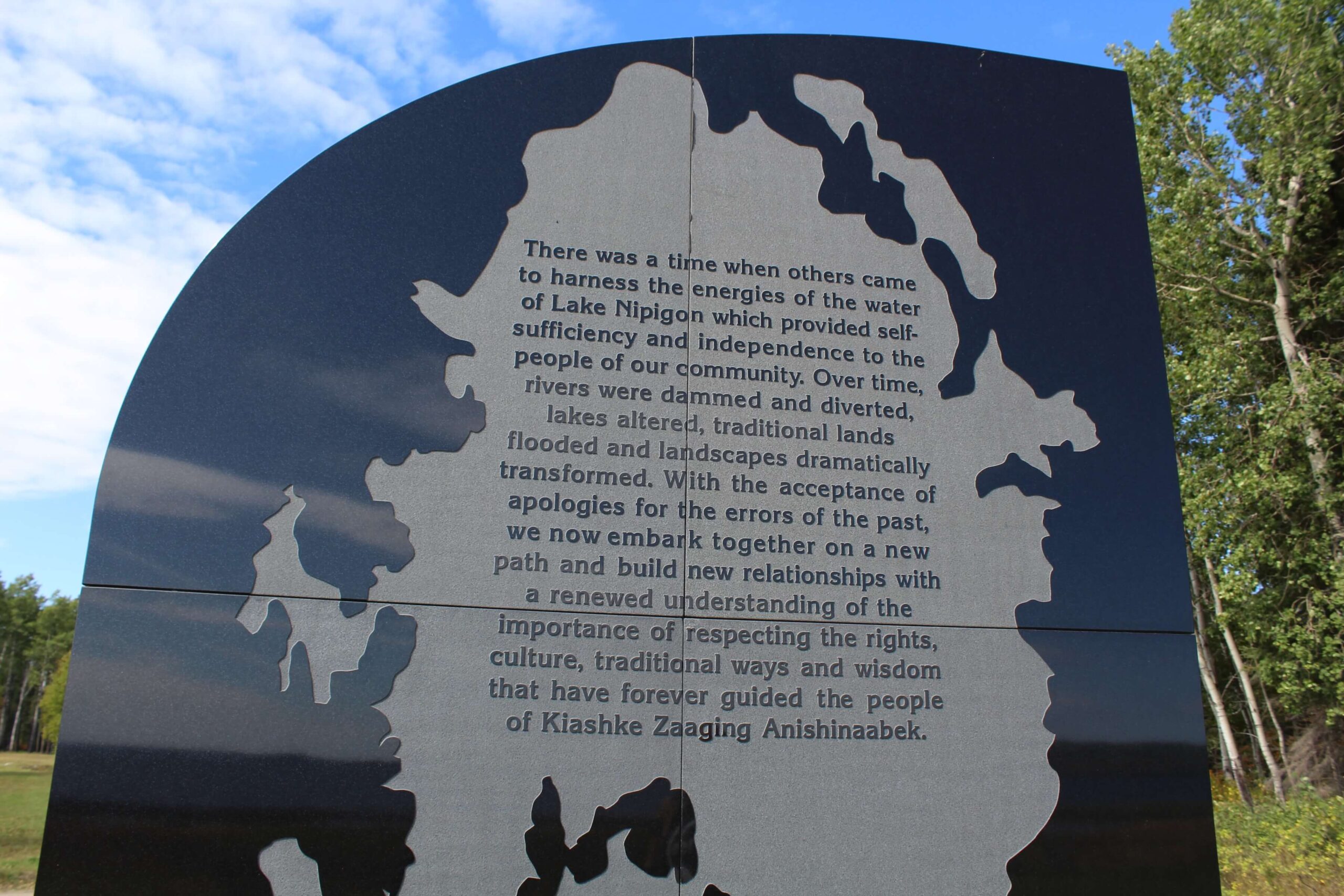
From approximately 1918 to 1950, Ontario’s provincial power authority built a series of hydroelectric dams on the nearby Nipigon River. During construction, water levels rose and burial grounds located along the shoreline in KZA were flooded and destroyed.
“There was no communication with Gull Bay First Nation that the waterways would be rising,” said Esquega.
From approximately 1918 to 1950, Ontario’s provincial power authority built a series of hydroelectric dams on the nearby Nipigon River. During construction, water levels rose and burial grounds located along the shoreline in KZA were flooded and destroyed.
“There was no communication with Gull Bay First Nation that the waterways would be rising,” said Esquega.
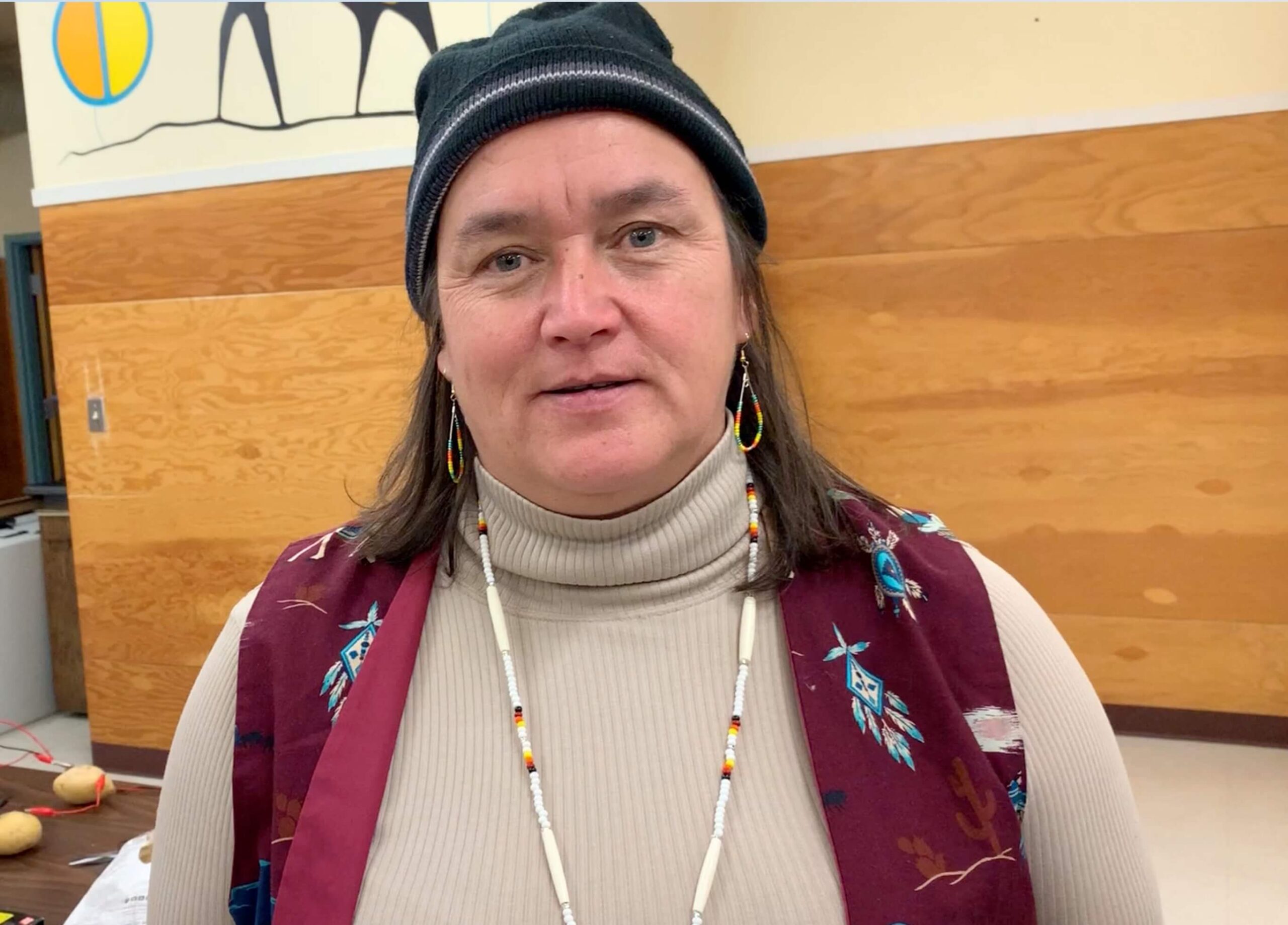
Grace Esquega was a child when KZA flooded. She recalls a harrowing time during which community members were forced to retrieve the remains of their loved ones from the river, re-build coffins and re-bury them.

Gull Bay
Virginie Ann
“It was really an emotional time for everybody. Everybody was busy working and uncovering, digging and bringing up whatever they found… and they had to make new boxes, new coffins.” KZA Chief Wilfred King said that the community lost approximately 60 metres of shoreline.
“We lost homes, we lost buildings. It was quite a sad time in our community,” he said.
The generating stations built on the Nipigon River would eventually produce power for up to 290,000 homes in Ontario – yet KZA remained reliant on diesel energy for all that time. The community was never connected to the provincial grid because at the time, energy officials decided it was not economic to add a transmission line.
“We’re not proud of the things our predecessors had done to the community,” said Rosalie Ahlan of OPG. “This is our opportunity to try to make things right again.”
“This is a first for OPG, where we will not own and operate once this is finished. This project is completely on Gull Bay First Nation land. We want to see them take full ownership and have successful operations for 20 plus years to come.”
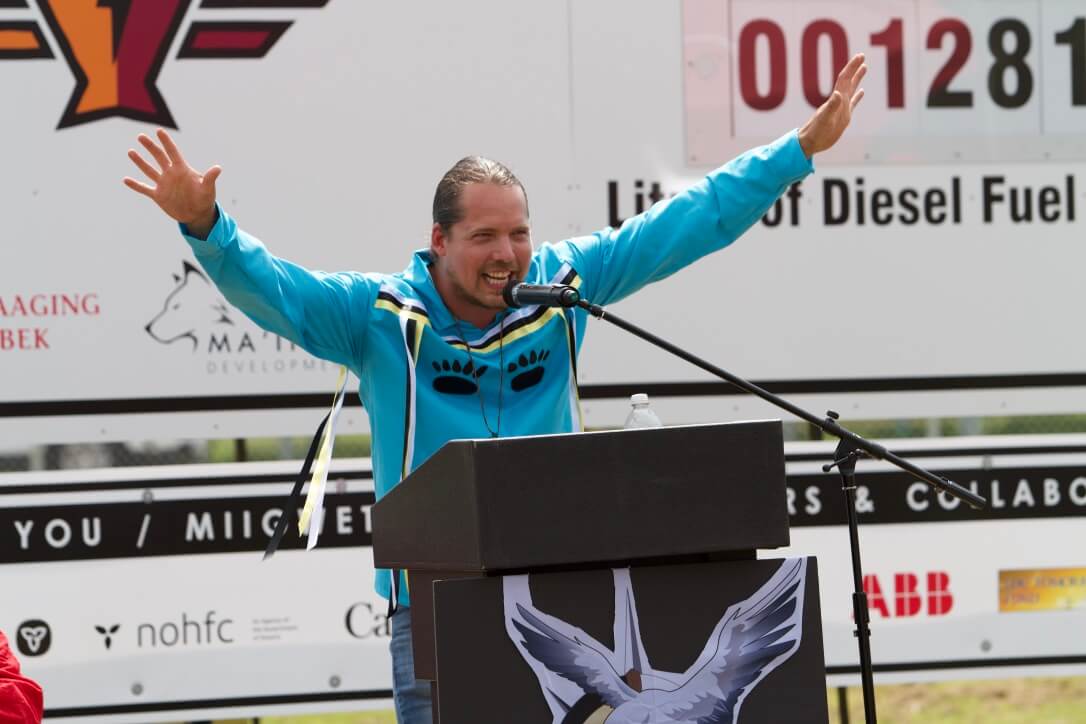
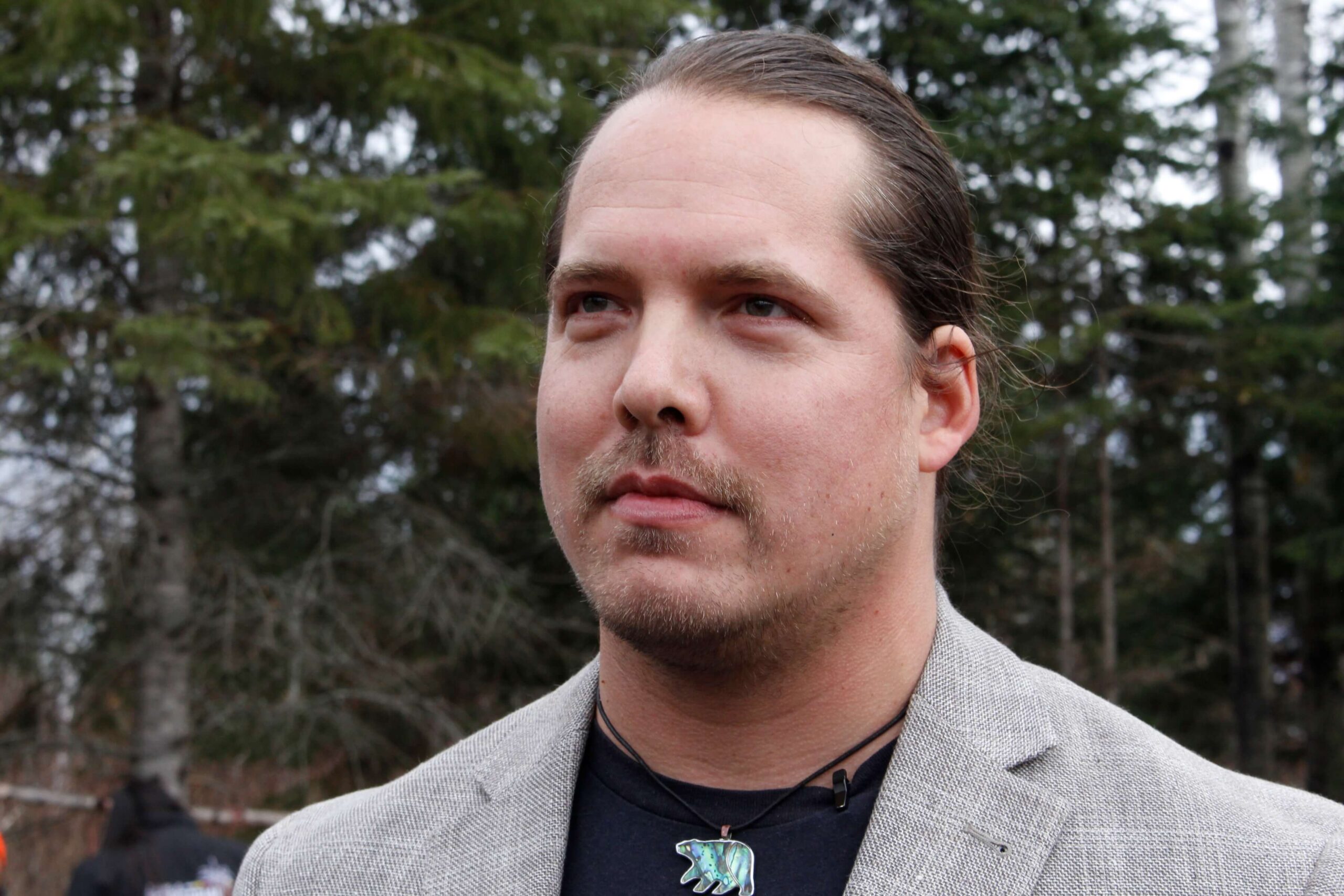
Mashkawiziiwin Energy Projects Coordinator AJ Esquega raises his arms in celebration at the podium during the opening of the Gizis solar microgrid.
Pierre-Alexandre Carrier
LEADERSHIP
KZA Chief Wilfred King said owning the micro grid is a source of great pride. “When we first embarked on this project, we were offered 25 per cent ownership, and I said no, that’s not enough. Then we were offered 50 per cent ownership, and I said no, that’s not enough. Then we were told we could have 100 per cent ownership but after 25 years, and I said no, Gull Bay will own it with its commission.”
At the official launch of the micro grid on August 16, Chief King thanked several funders and partners who worked with KZA to build the clean energy source: the Ontario Smart Grid Fund, Ontario’s Northern Ontario Heritage Fund, Independent Electricity Systems Operator, Hydro One Remote Communities Inc., Natural Resources Canada, Indigenous Services Canada and MaRS. He also thanked project team members Alltrade, ABB, Stantec, DNV-GL, TBT Engineering, and KZA’s clean energy advisor, Lumos Energy.

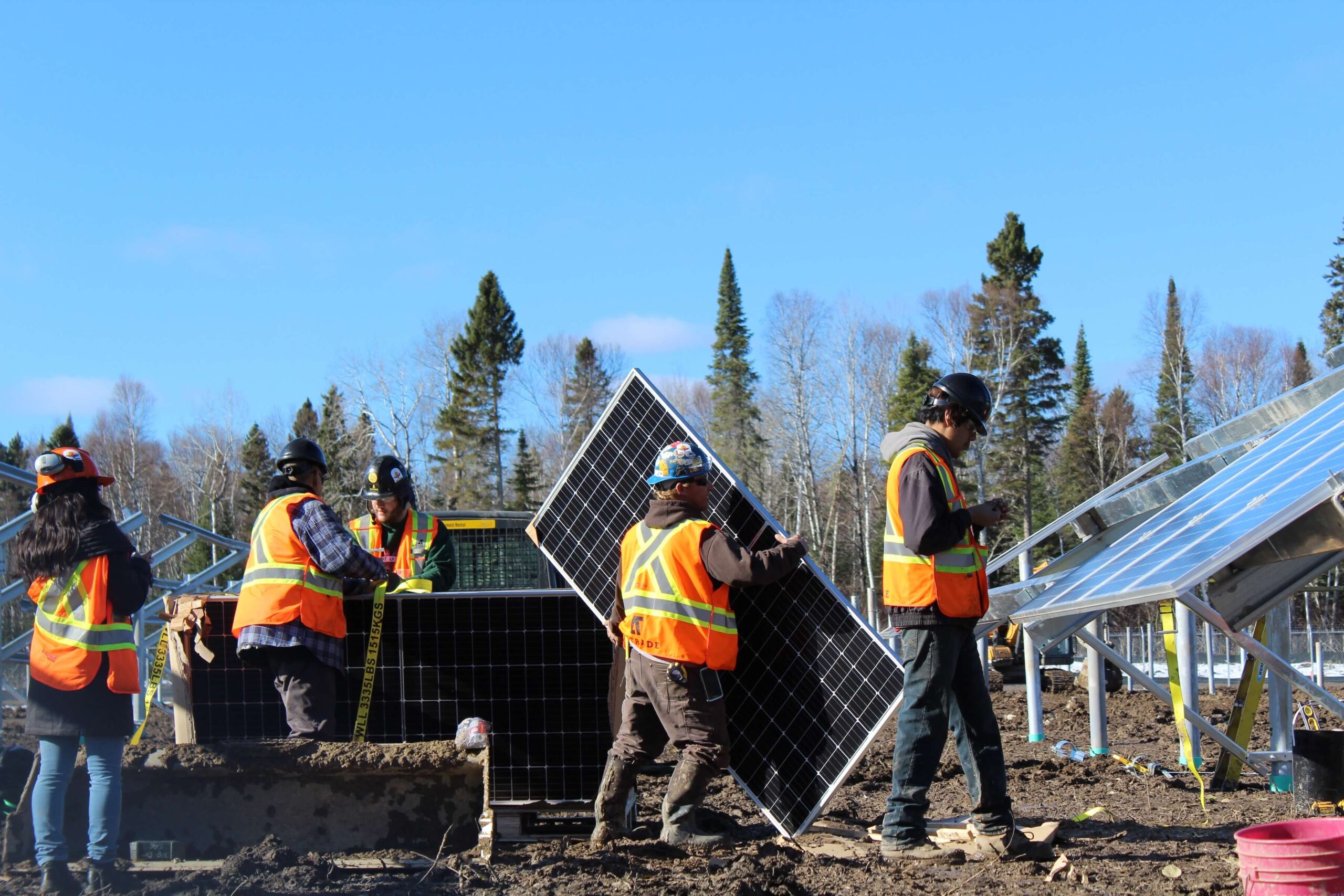
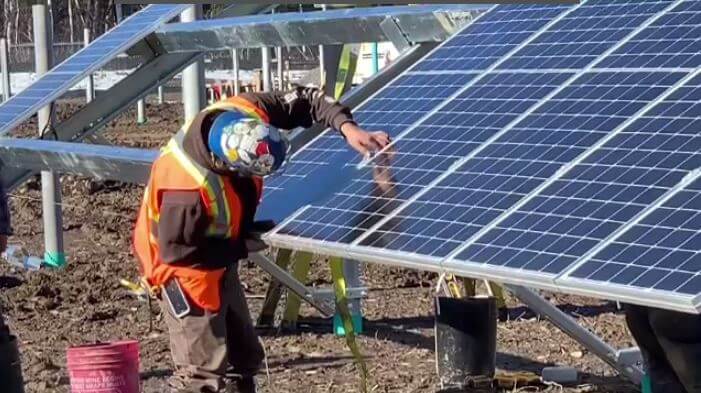
The micro grid controller integrates clean energy into the KZA distribution system from more than 1,000 solar panels and over 80 battery modules.
Virginie Ann
“Chief King and Gull Bay First Nation are using entrepreneurship and ingenuity to be leaders in the fight against climate change – the single greatest issue facing our planet right now,” said National Chief of the Assembly of First Nations Perry Bellegarde. “This project is an example for the country of the positive work First Nations are doing right now to address climate change in a way that benefits their citizens, the economy and the environment.”
Chief King said the KZA Band Council and Giizis project team aims to share their expertise with any community wanting to transition away from diesel. Since the launch in August, KZA has offset more than 20,000 litres of diesel fuel.
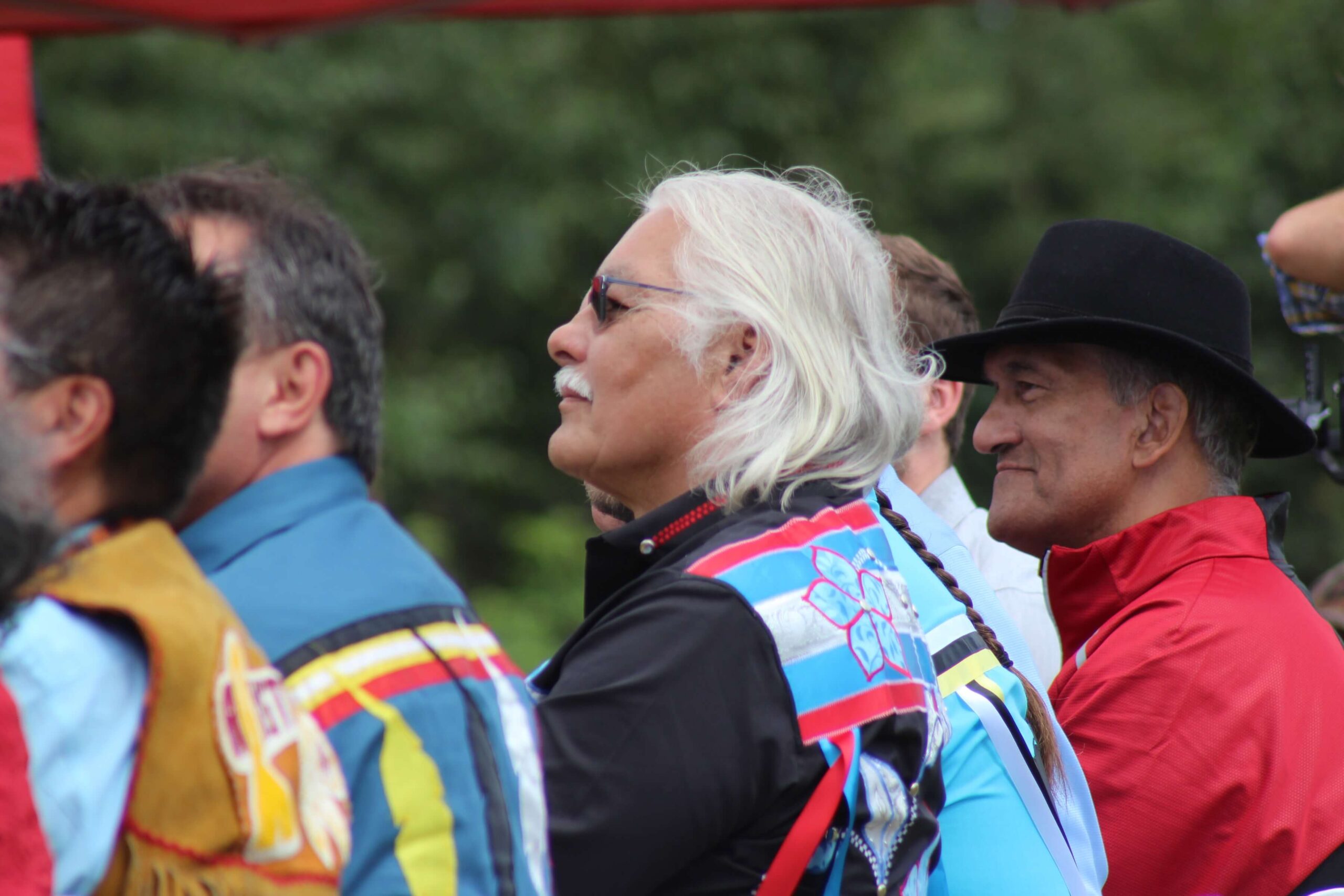
KZA Councillor Kevin King and Lumos Energy President Chris Henderson. Lumos Energy is the leading clean energy advisor to Indigenous communities across the land.
Katelyn Thomas
LOOKING FORWARD
“We still have an energy plan for our community,” said KZA Councillor Kevin King. “This provides daily power, we still have to go onto diesel at night, after an hour or two after the batteries have used up their charge from the day. So we’re looking at other ways to assist our community to reduce our diesel much further, if not right off, and use them as a backup only.”
National Chief Bellegarde said that moving towards clean, reliable power will help communities to pursue significant economic expansion. He explained that when a community runs on diesel, there is a fixed amount of power and at some point, building more structures just isn’t possible. “You’re not going to be dependent on diesel. You can build more homes. You can look at businesses, you can look at schools, you can look at health clinics.”
“You know we talk about legends, and we talk about stories that happened a long time ago, in our cultures, in our areas, in our communities,” said AJ Esquega.
“And I wonder if what we’re doing with clean energy, and transitioning from diesel, if this is what they’re going to be talking about in the next seven generations. You know, as the modern-day legends.”

National Chief of the Assembly of First Nations Perry Bellegarde and Ontario Regional Chief of the Assembly of First Nations RoseAnne Archibald celebrate the opening of the Gizis solar microgrid at Gull Bay First Nation, August 2019.
Katelyn Thomas
PHOTO GALLERY
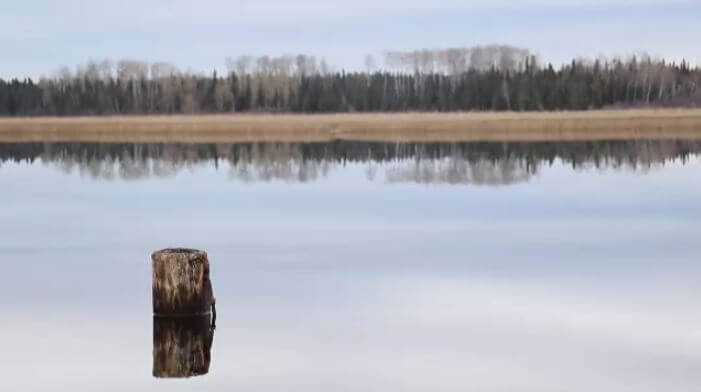
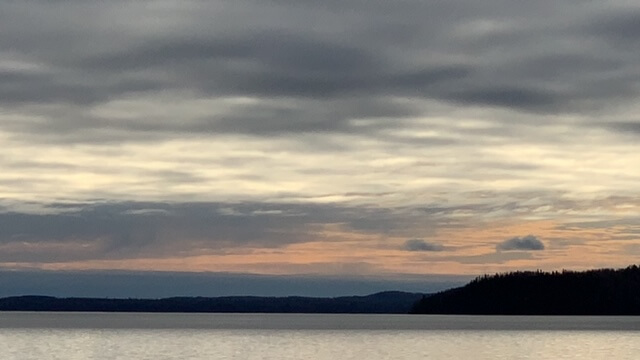
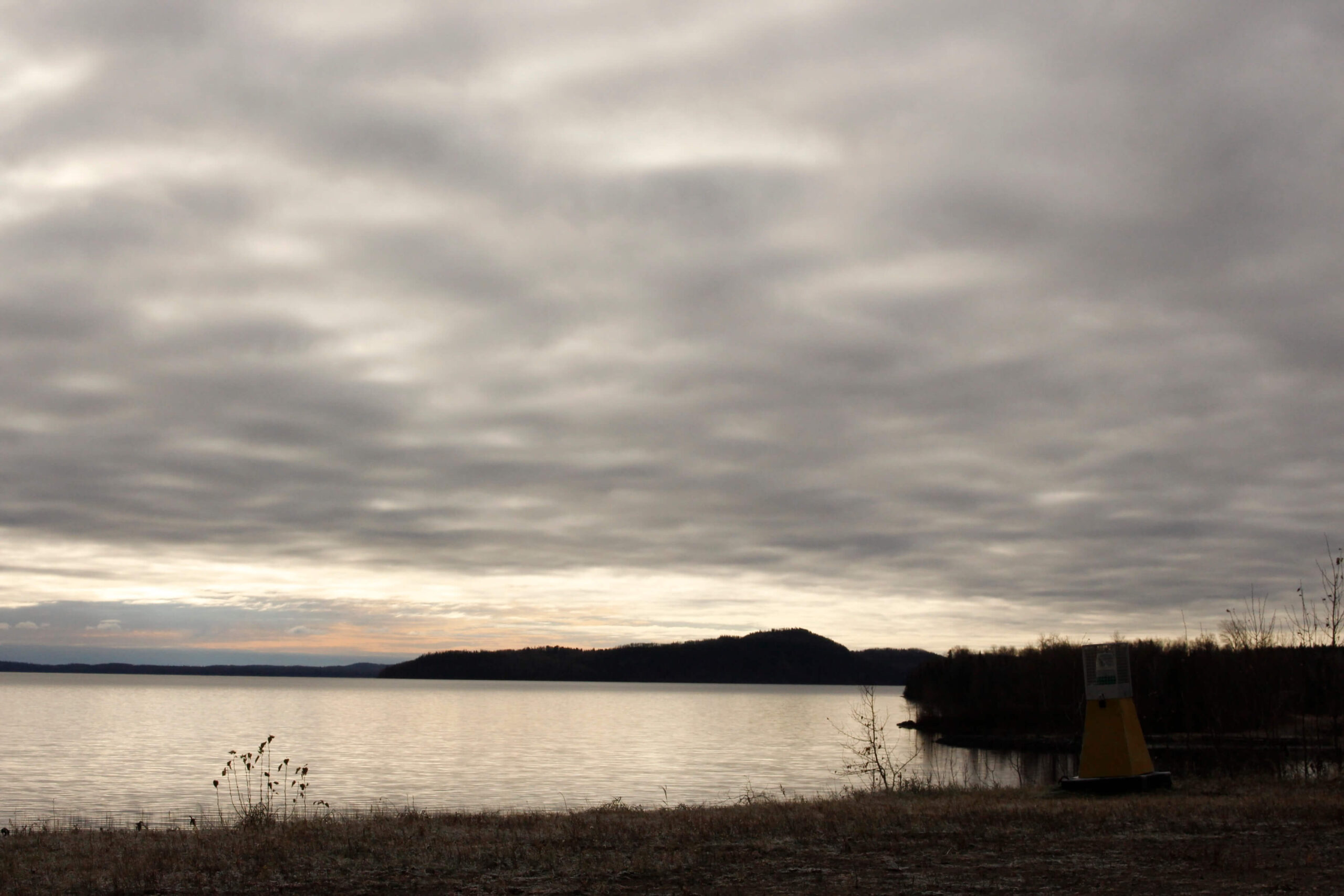
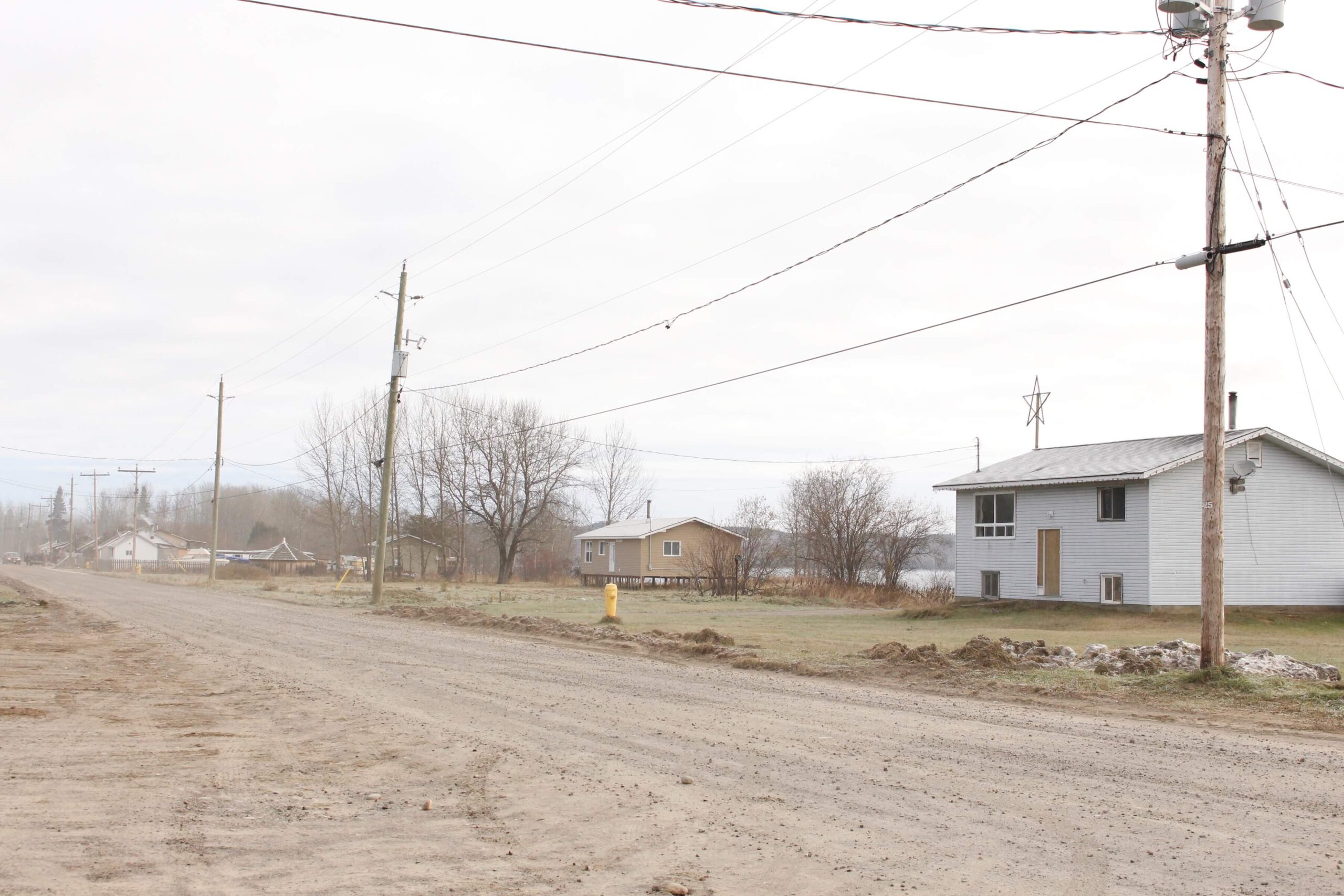
Kiashke Zaaging Anishinaabek–Gull Bay First Nation
Featuring photos by Katelyn Thomas, Pierre-Alexandre Carrier, Marissa Ramnanan, and Virginie Ann.
Click any image to explore the story behind each photograph.





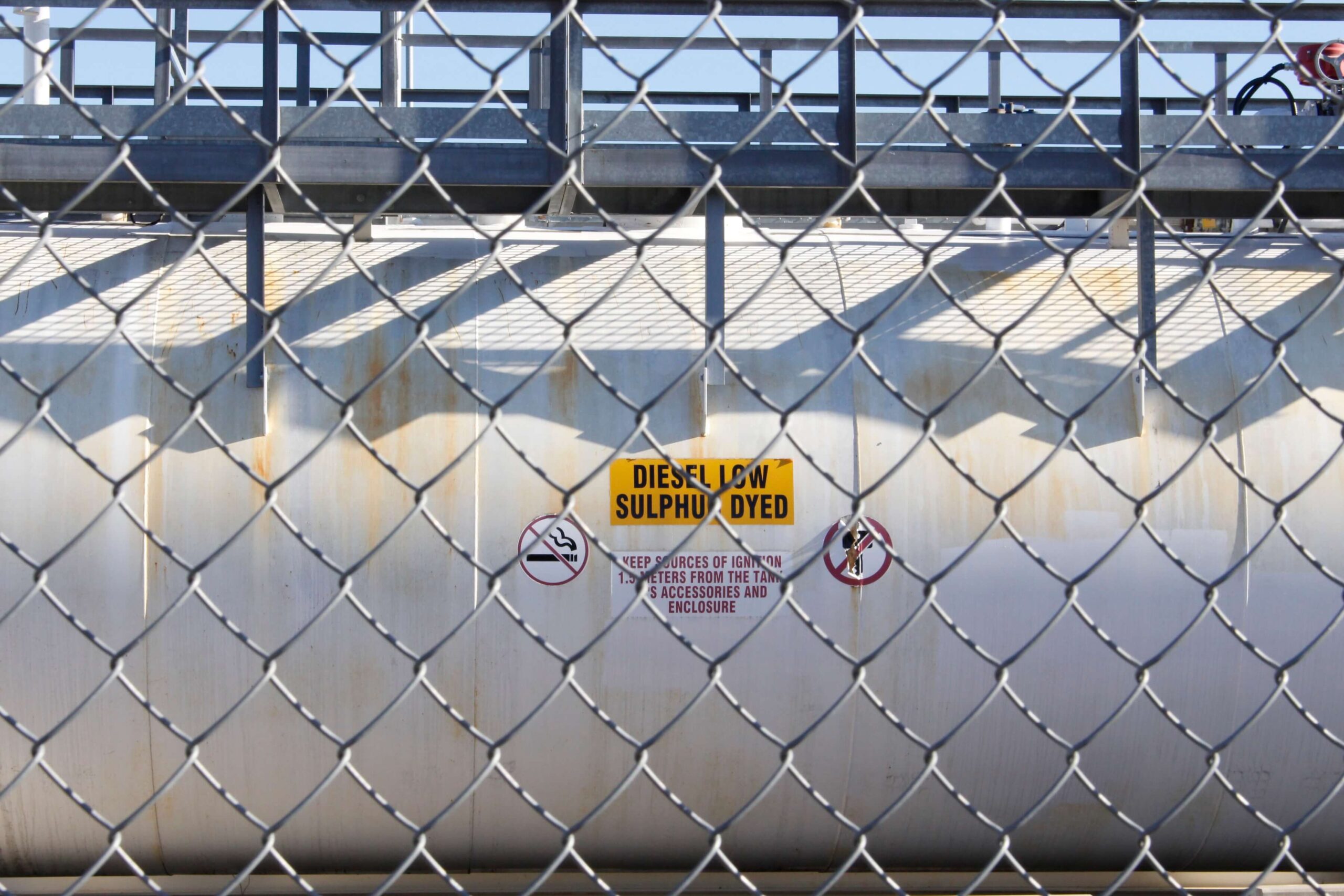




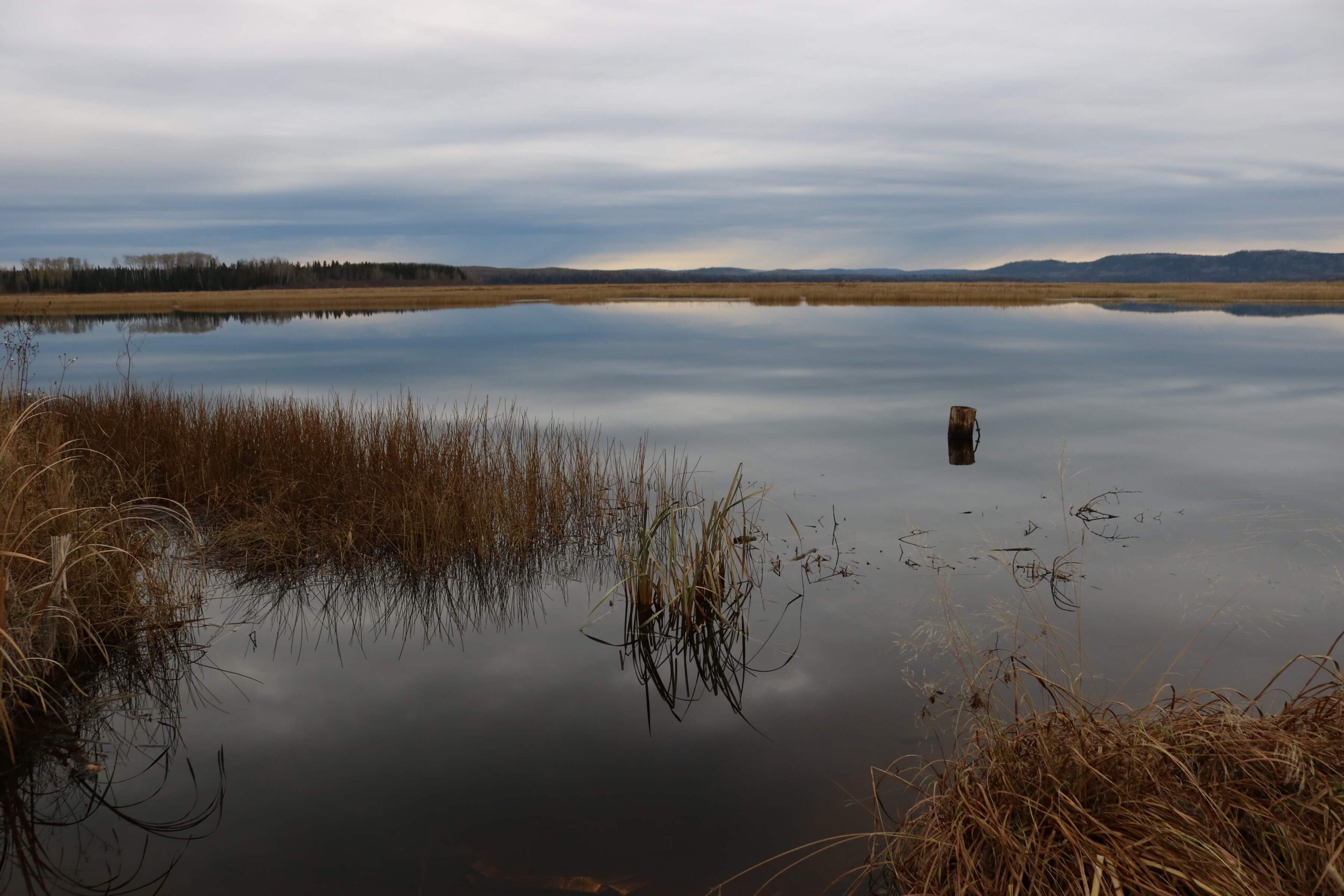

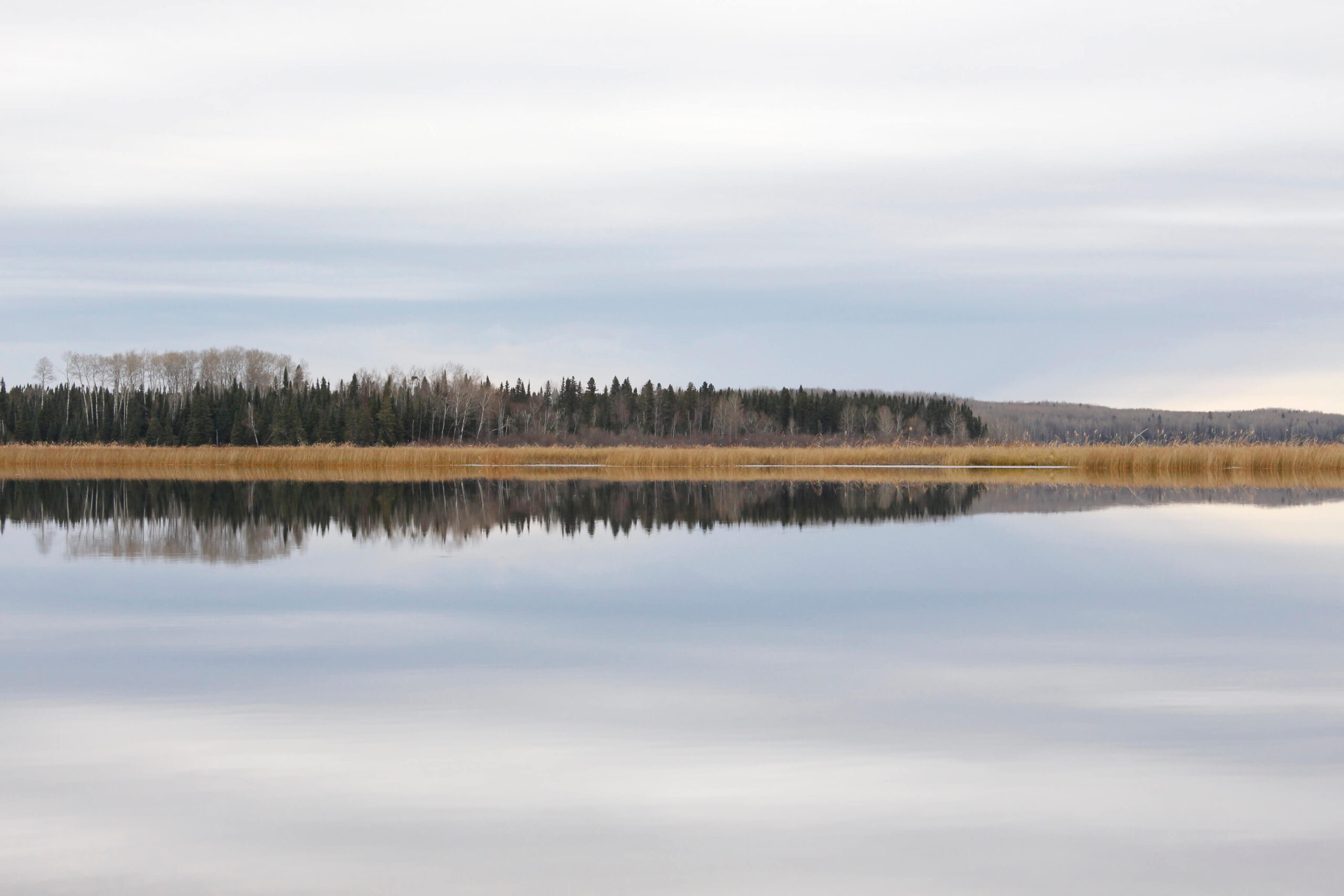




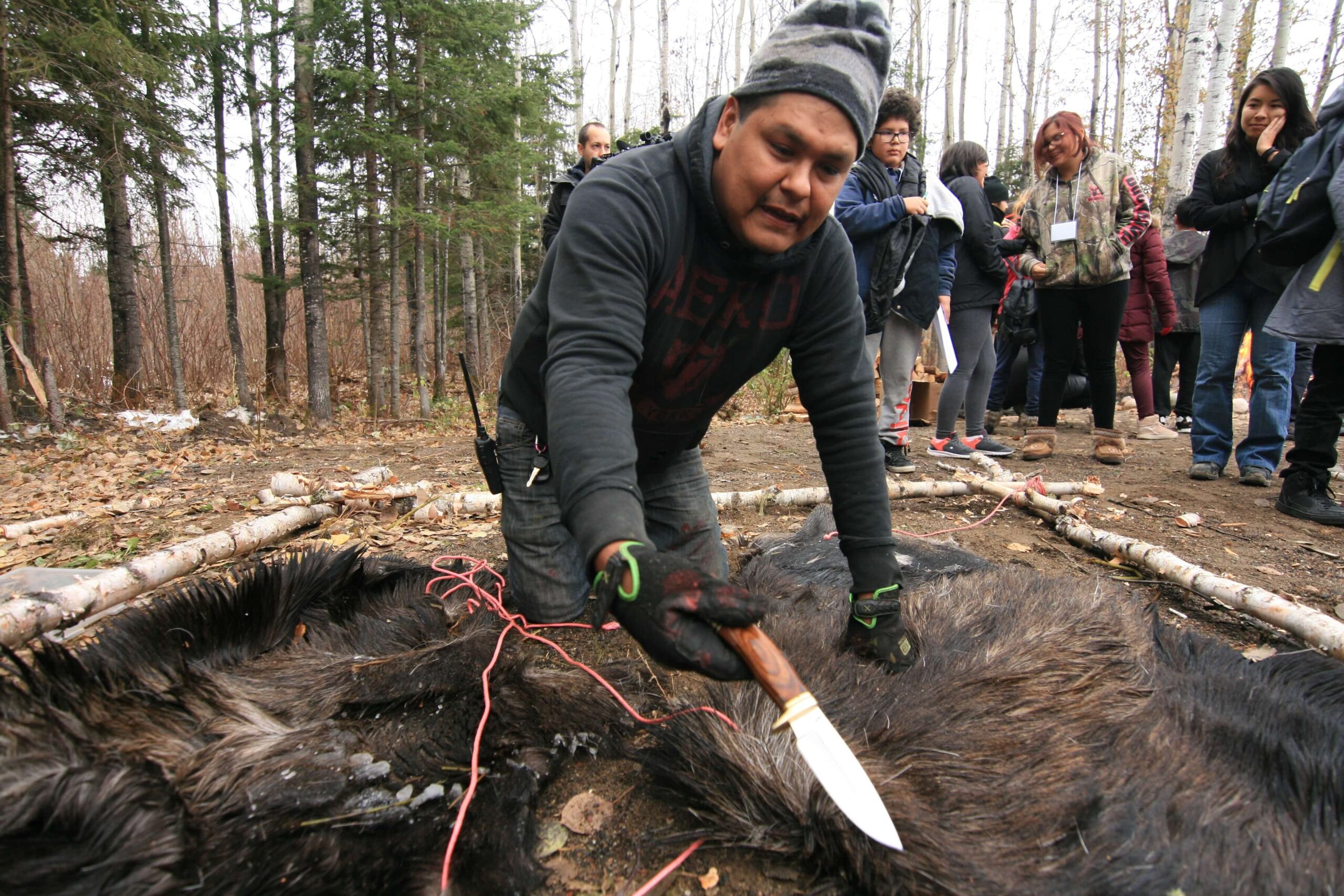

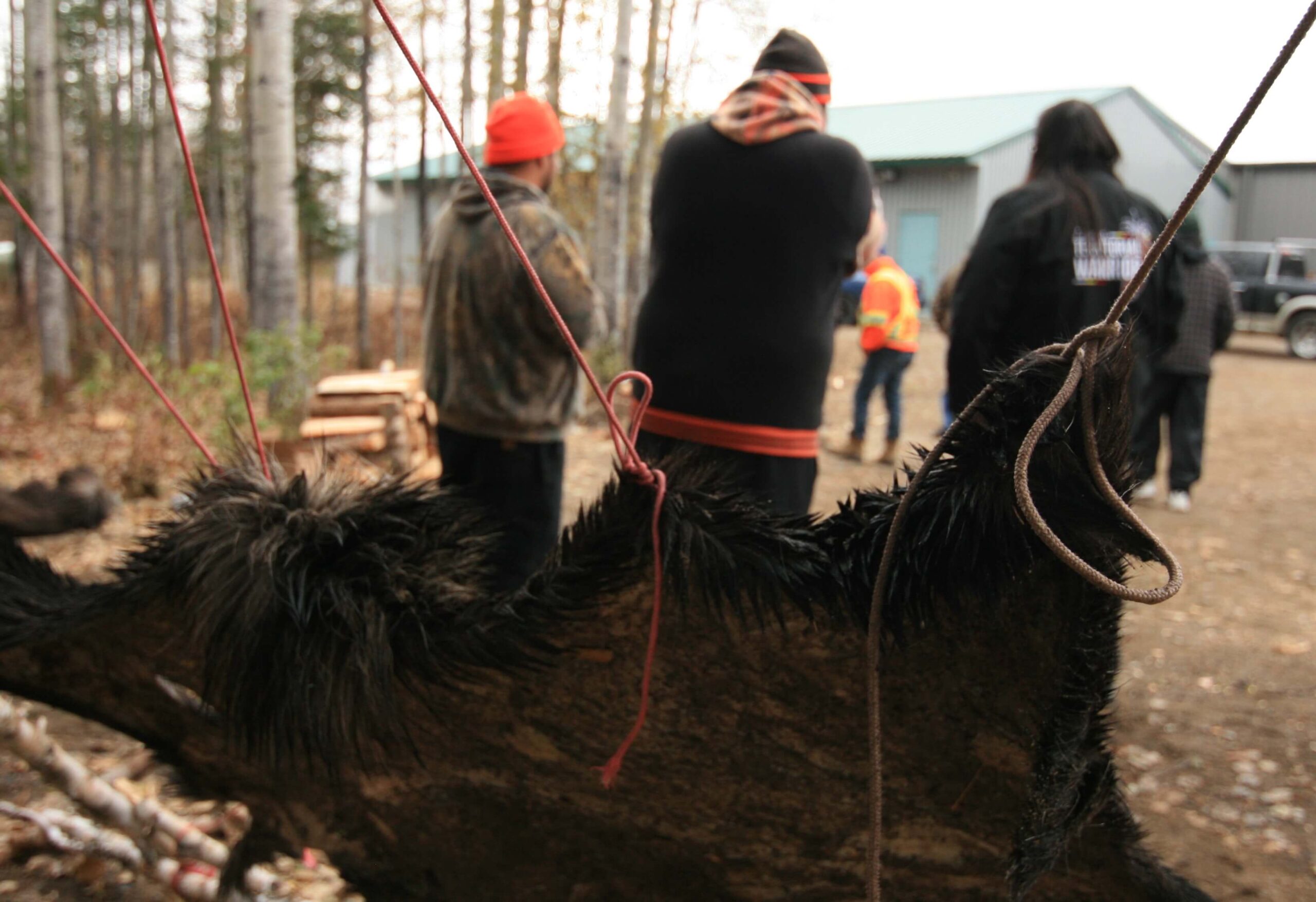
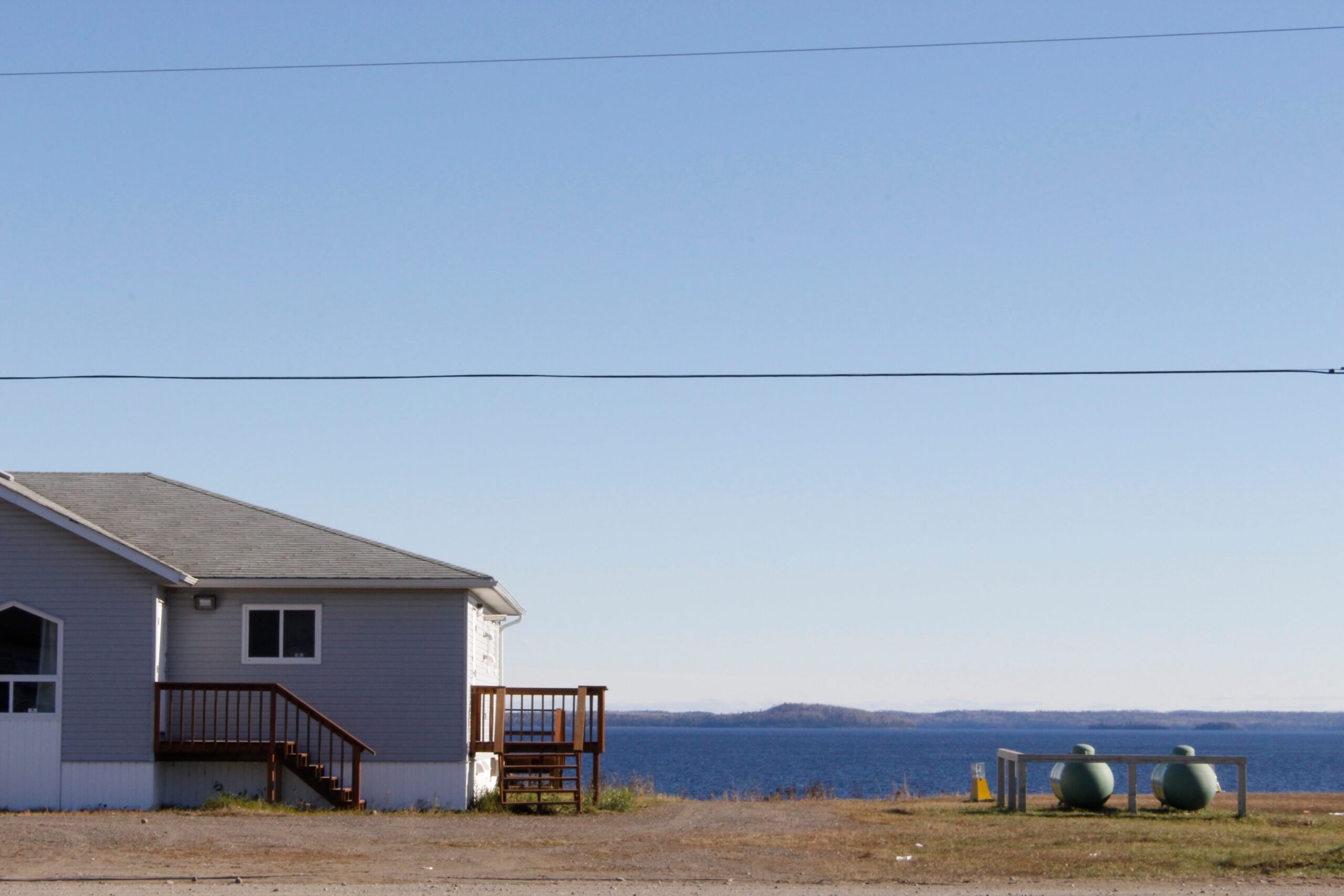
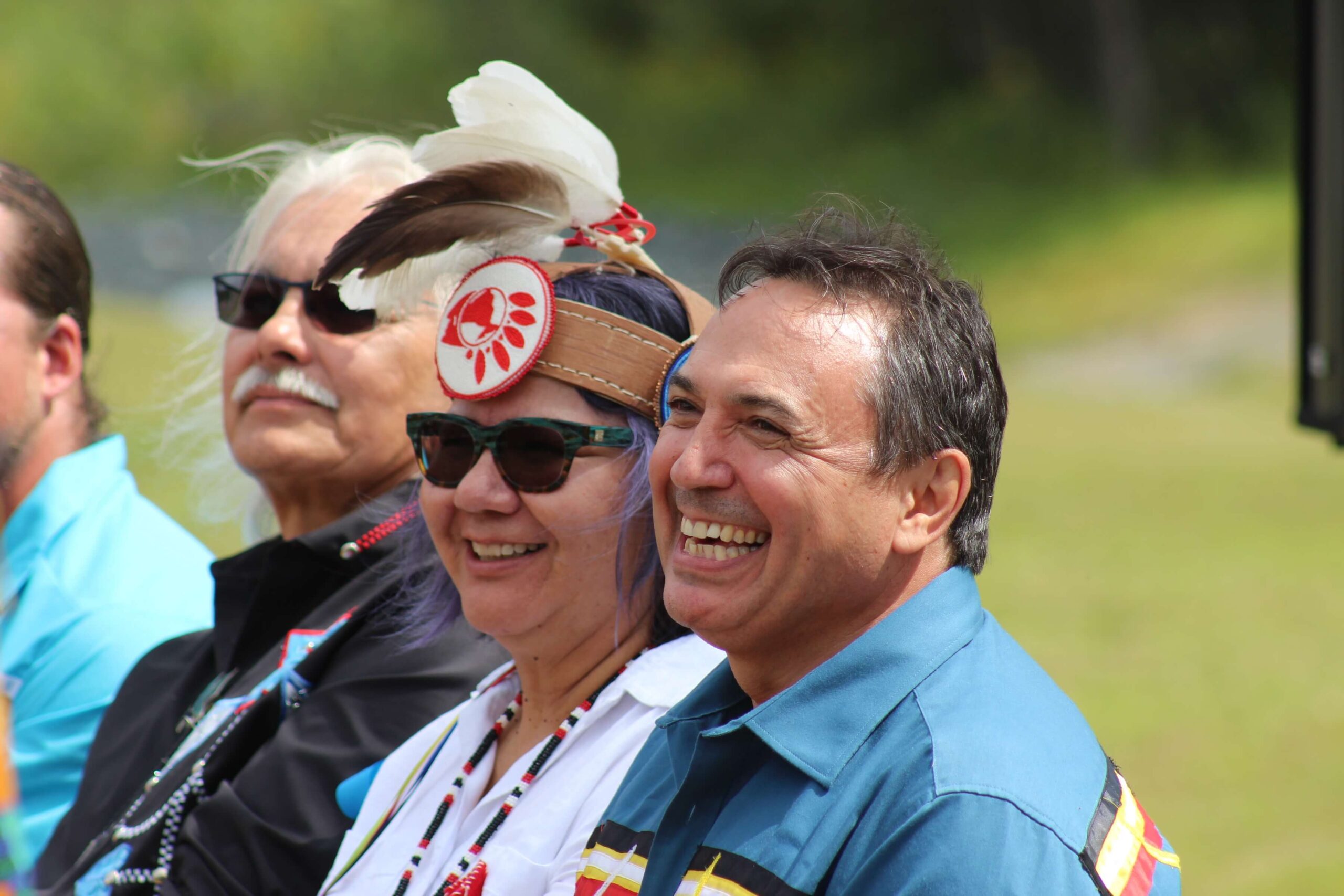







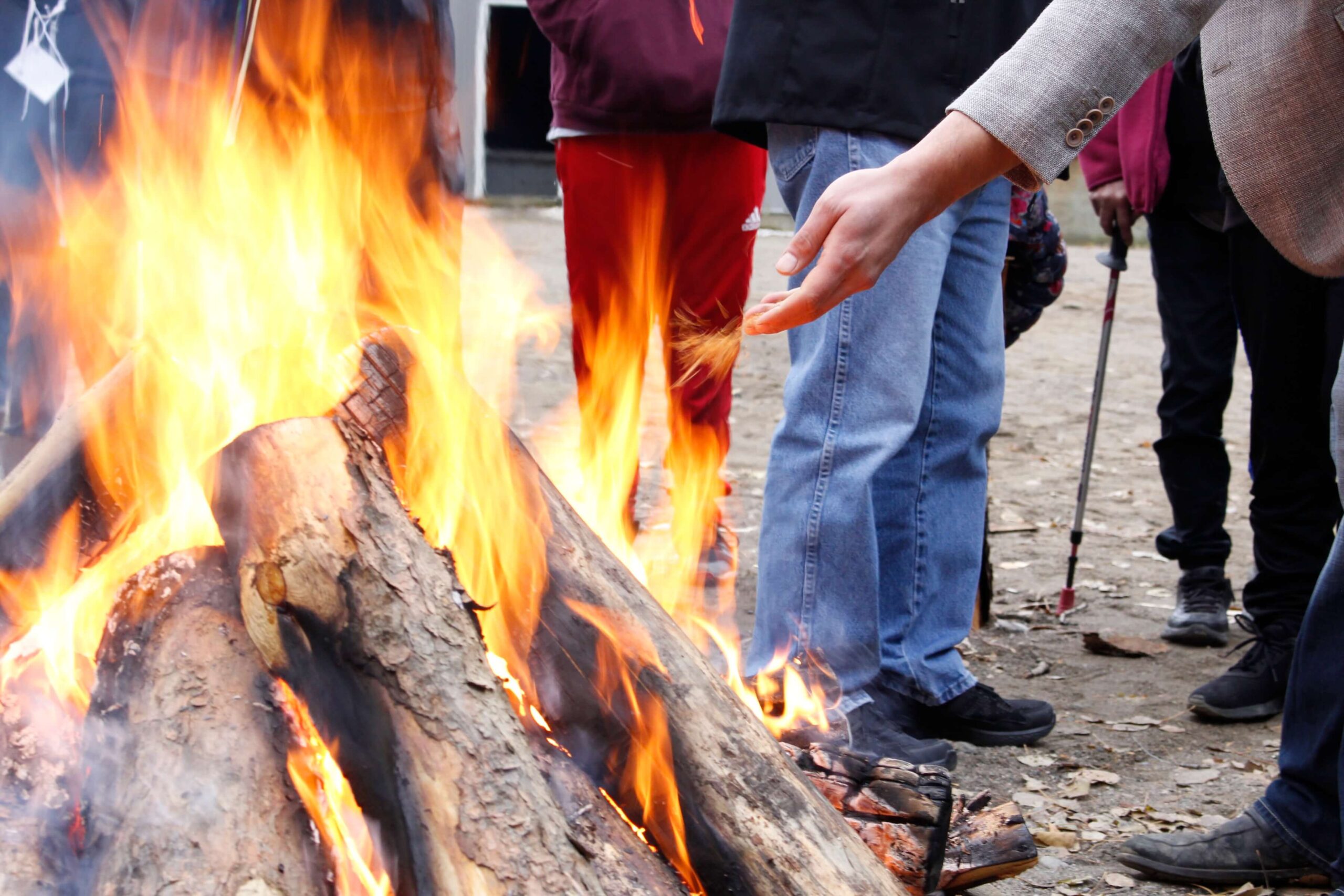
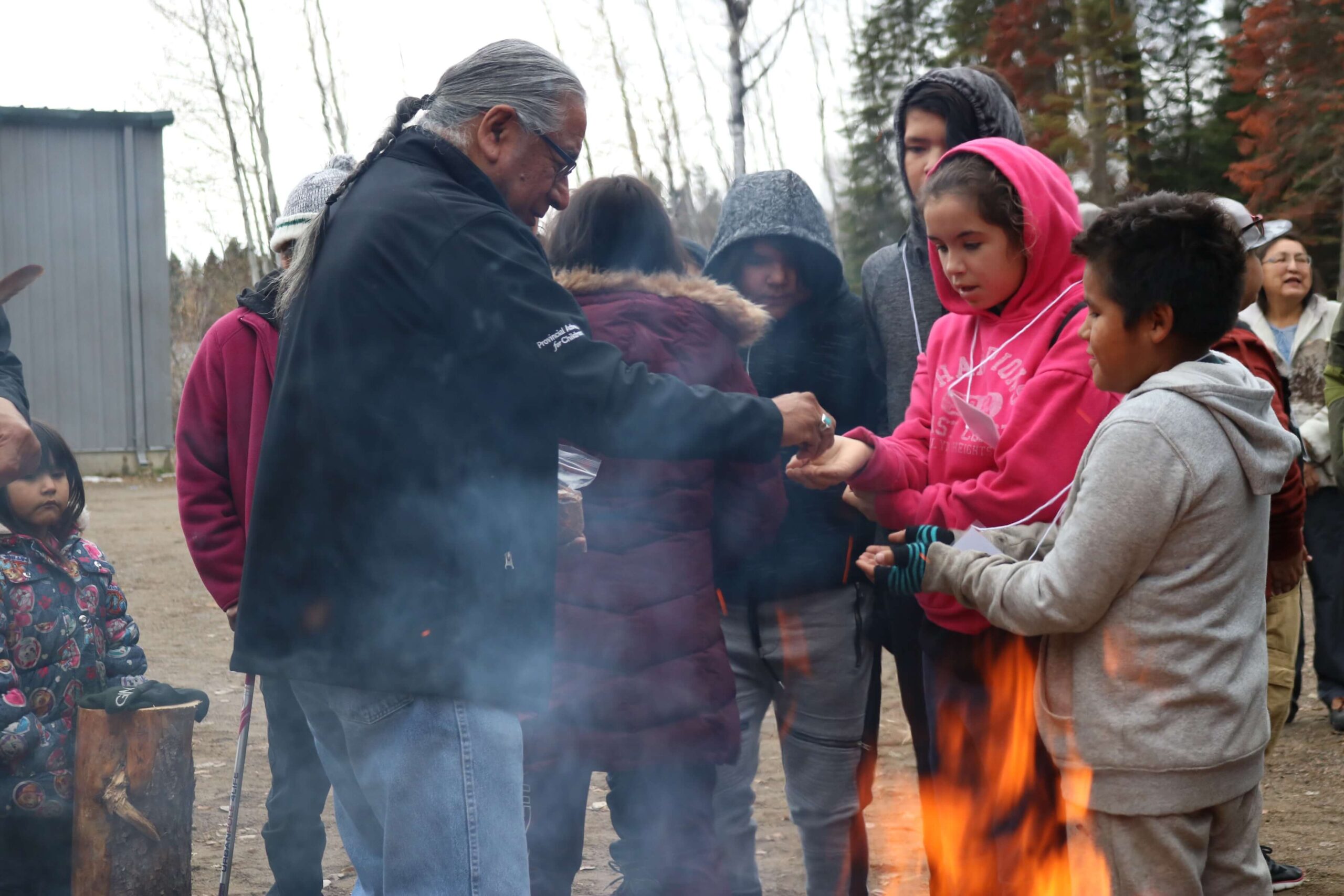


Article by Aphrodite Salas
An ambitious idea, an inspiring story
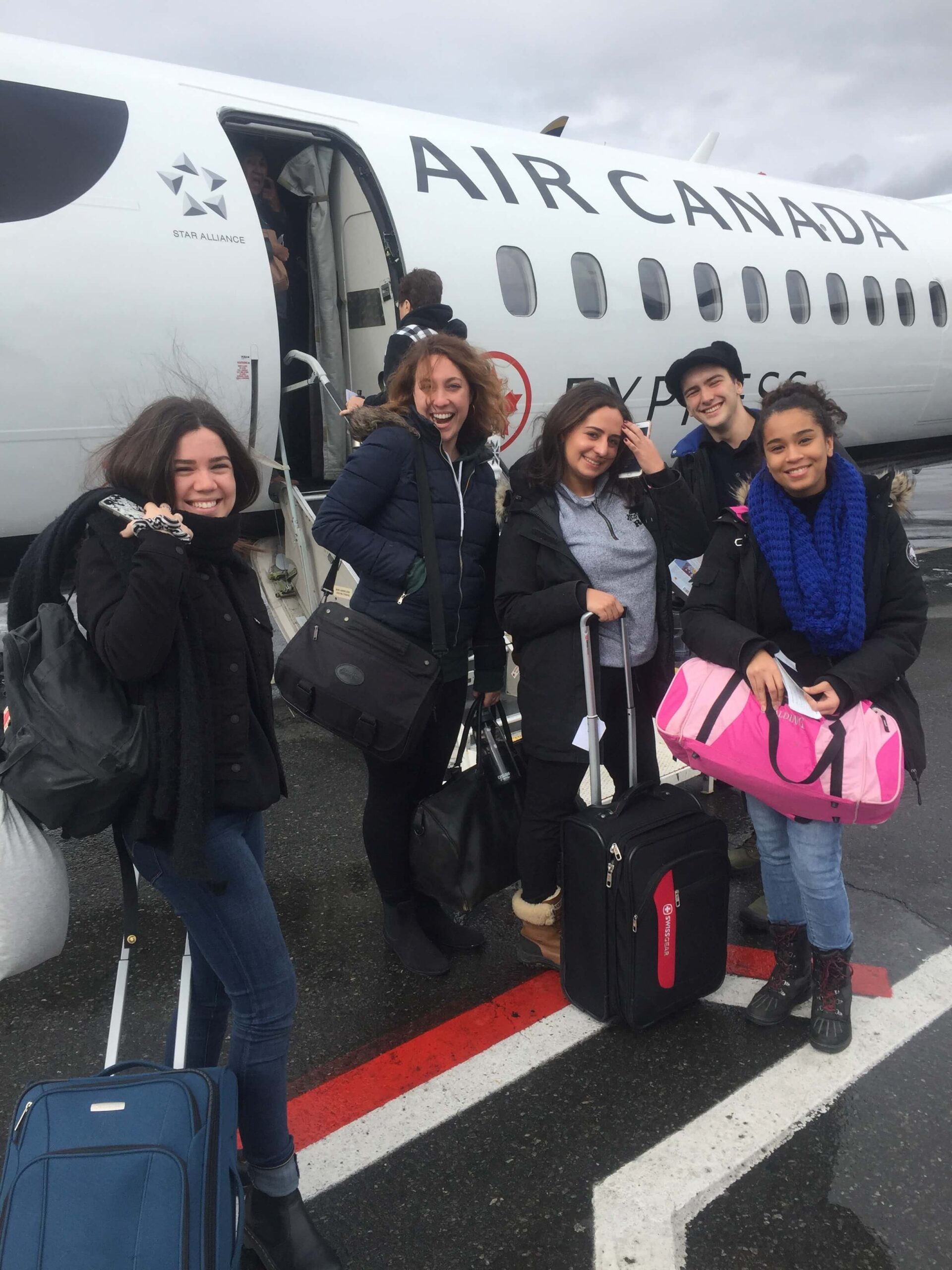
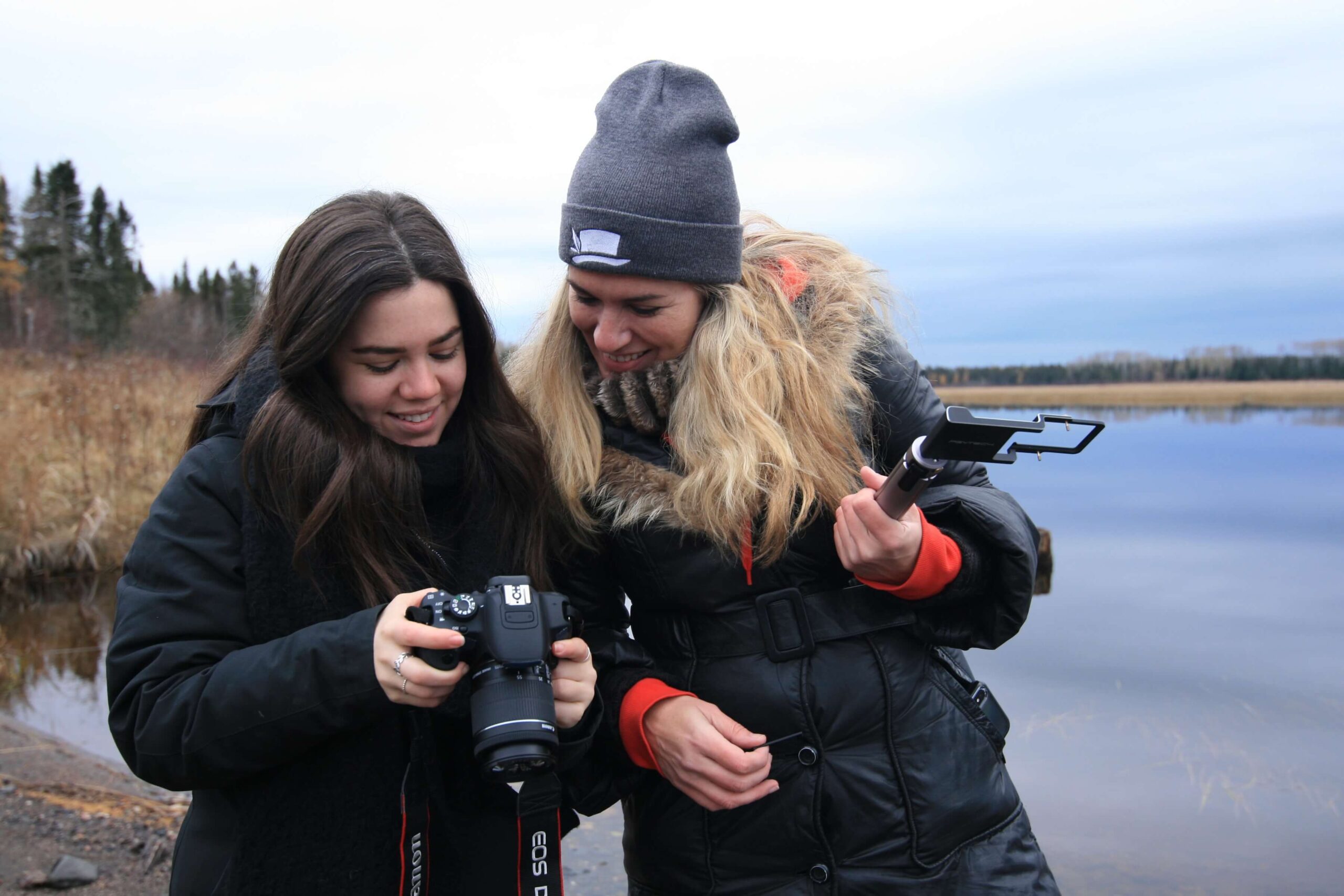
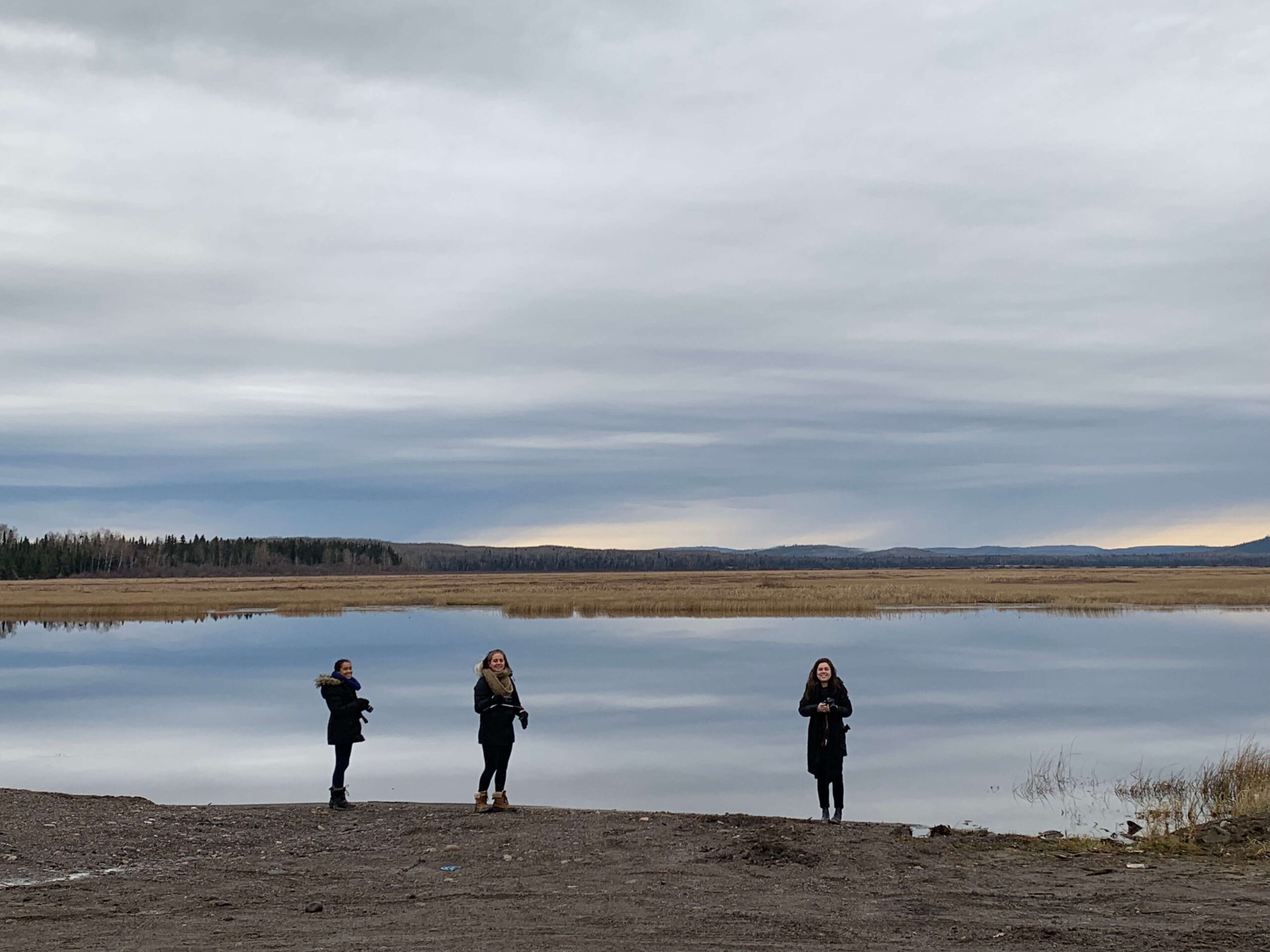
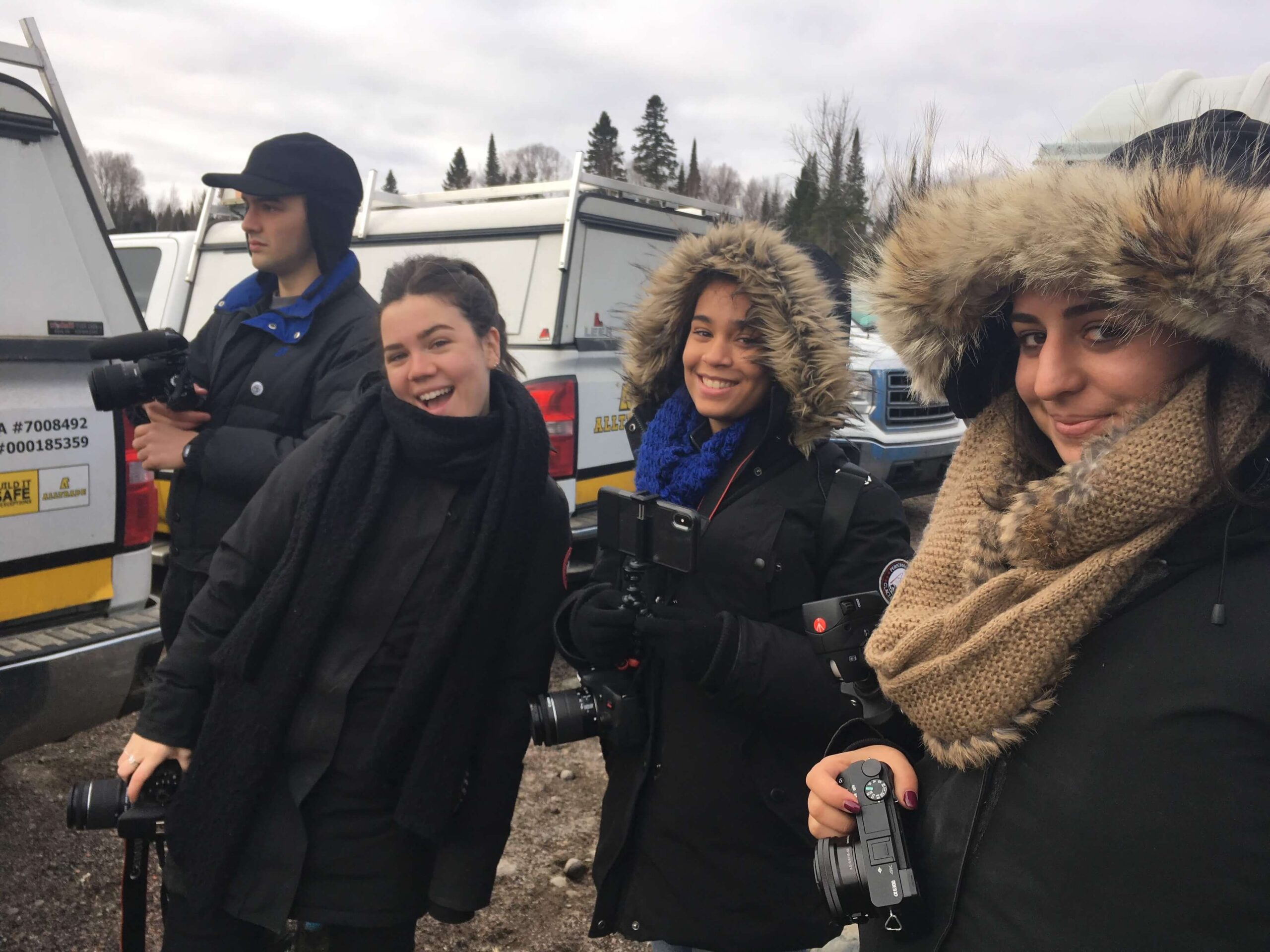
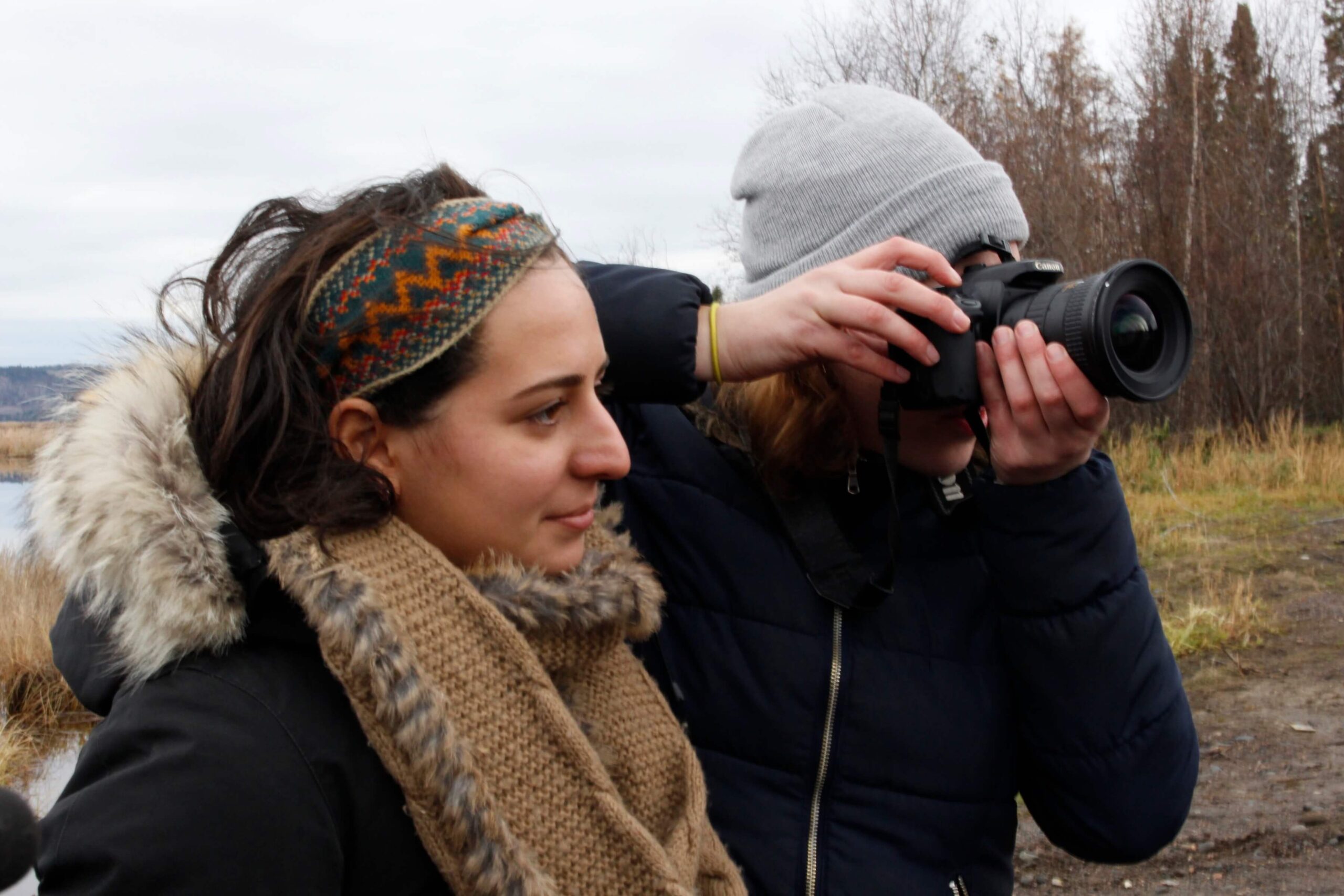
The idea was ambitious: take five students to a remote community in Northern Ontario, and using just enough equipment to fit into a single backpack, tell the story of how a solar project being built in KZA-Gull Bay First Nation aims to right a longstanding wrong that permanently scarred a community both emotionally and ecologically.
We developed a partnership with CTV to feature “from shore to sky: a reconciliation story,” and to create an extensive multimedia package for Canadians to explore.
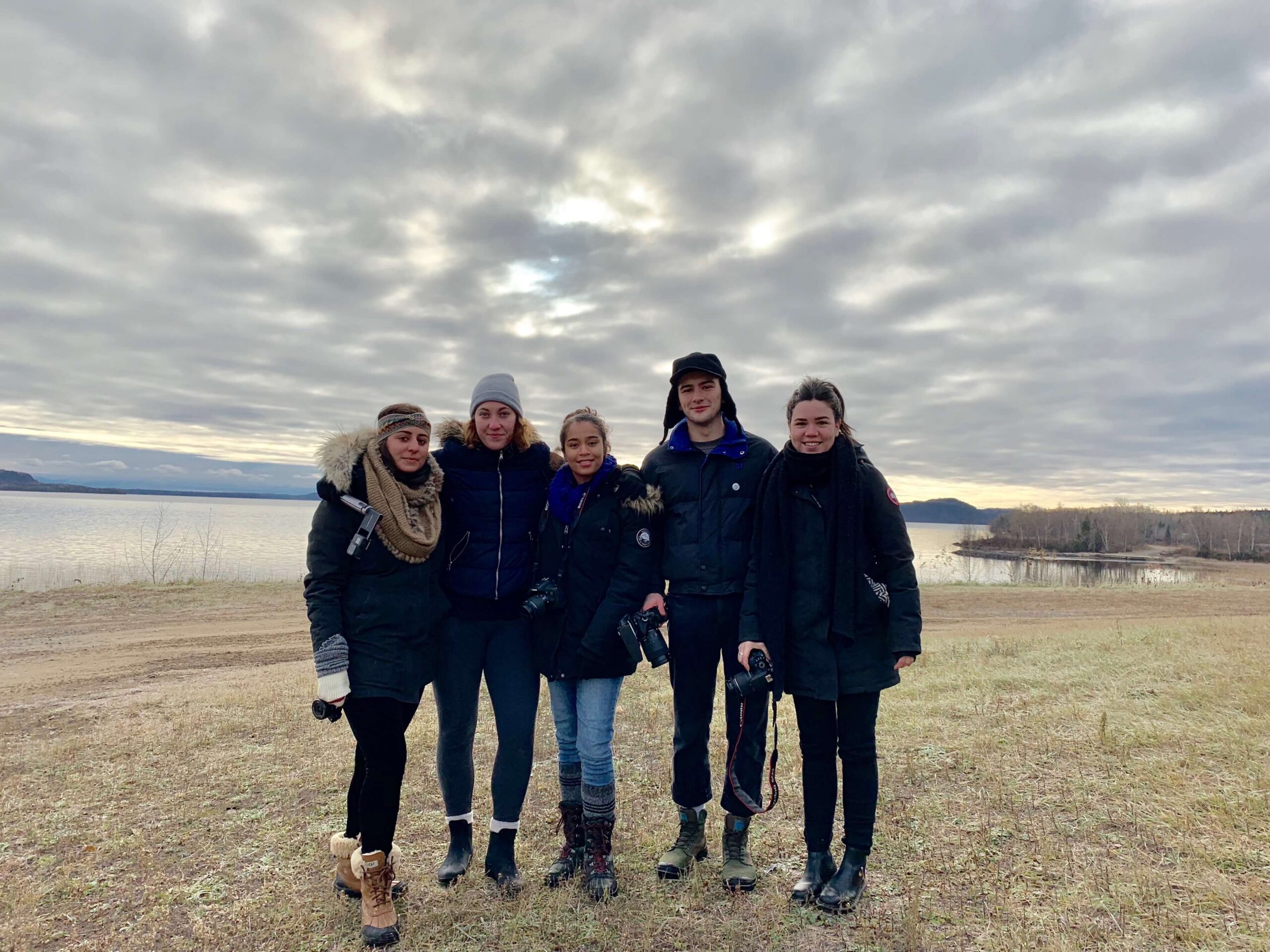
Photo caption.
Photo credit.
We believe that the hard work towards fighting climate change in this community deserves to be highlighted and shared. The scope of the project is impressive, as is the genuine effort at reconciliation by Ontario Power Generation and several other partners. The impact of our reporting is meant to be positive by focusing on a strong example of climate leadership and reconciliation emerging from the North.
The documentary project was inspired by the final report of Canada’s Truth and Reconciliation Commission which calls upon Canadian journalism programs to require education for all students on Indigenous issues. Long-term, I hope to continue educating students by highlighting more examples of climate leadership from those who have been stewards of this land for thousands of years.
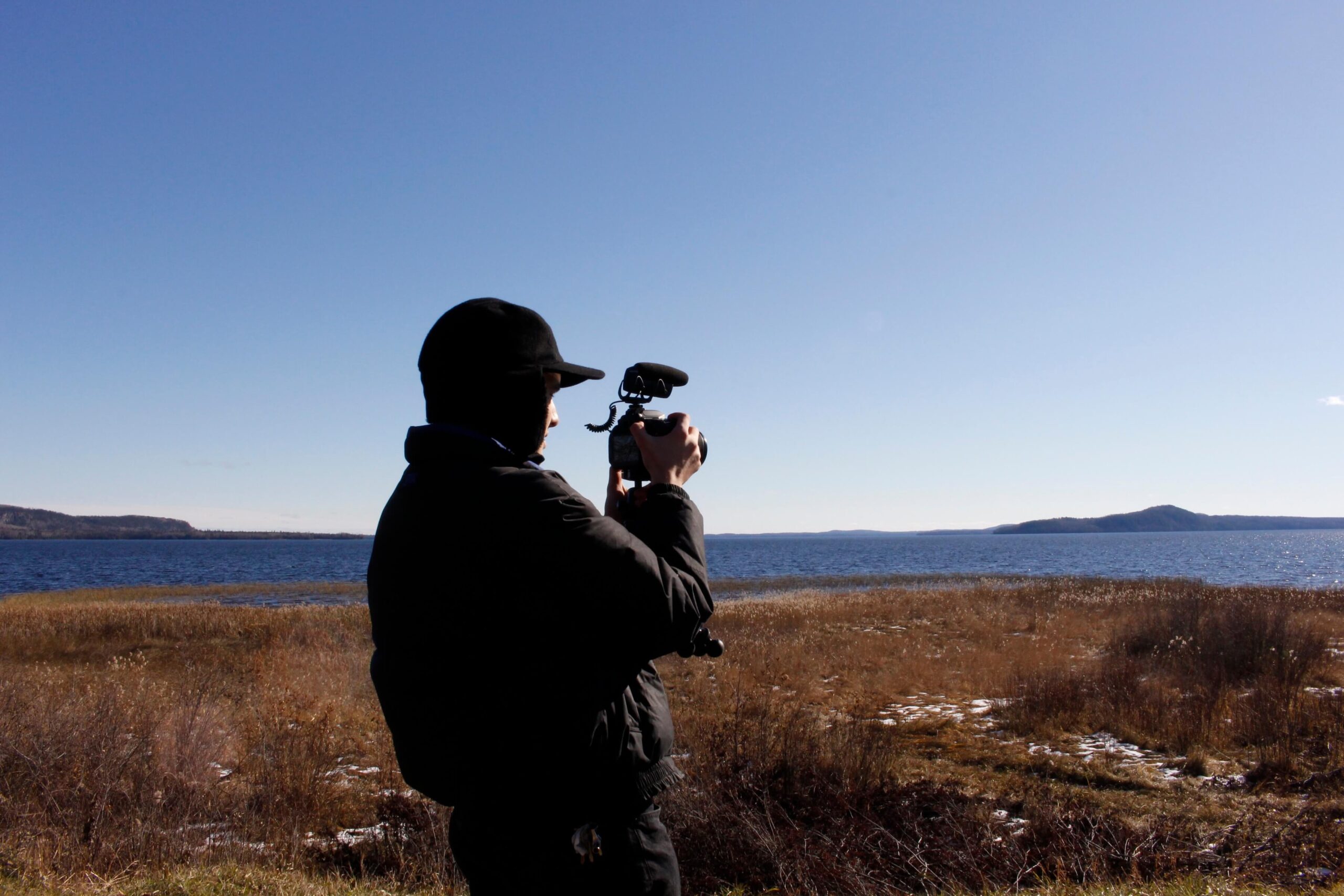
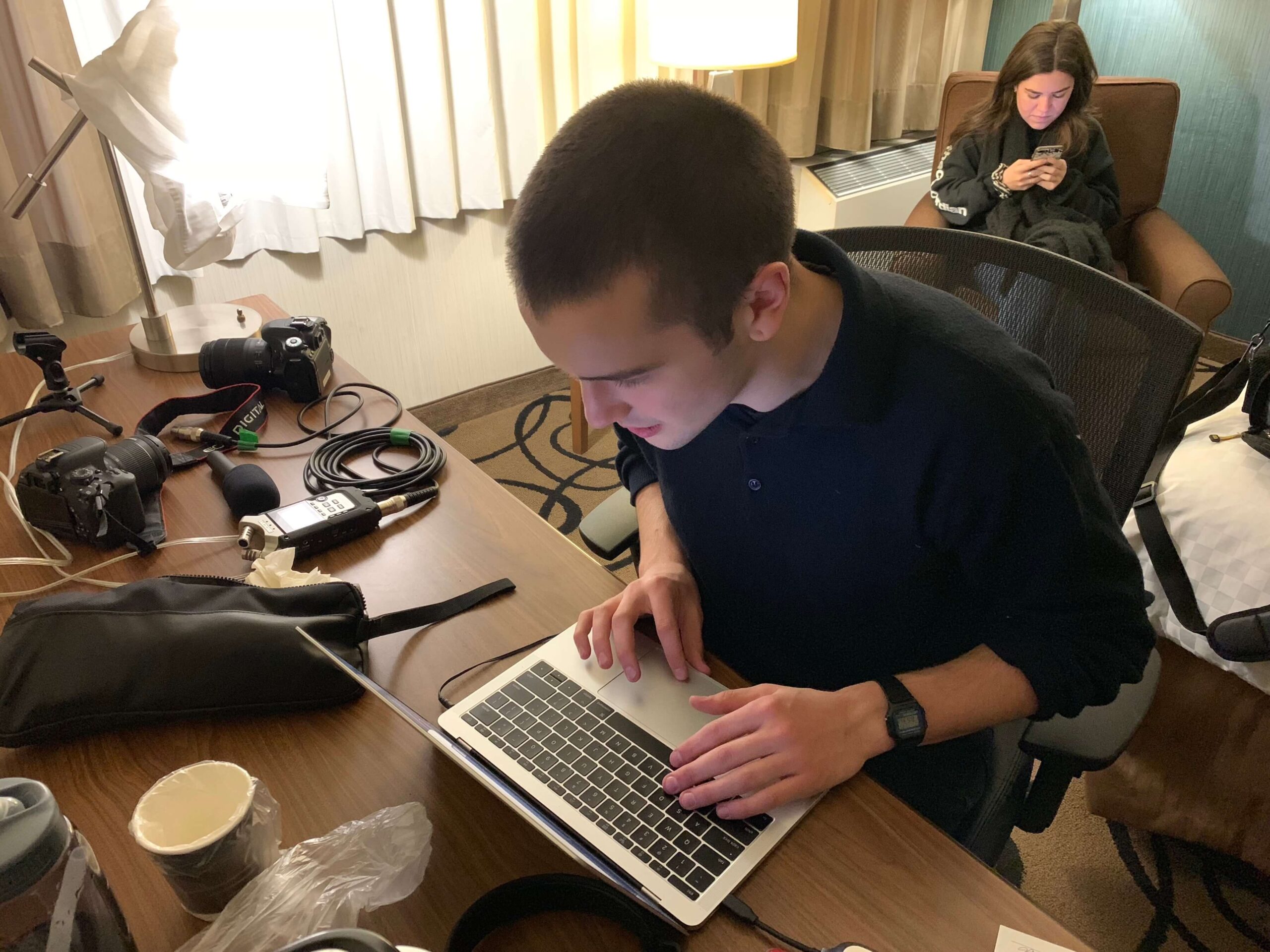
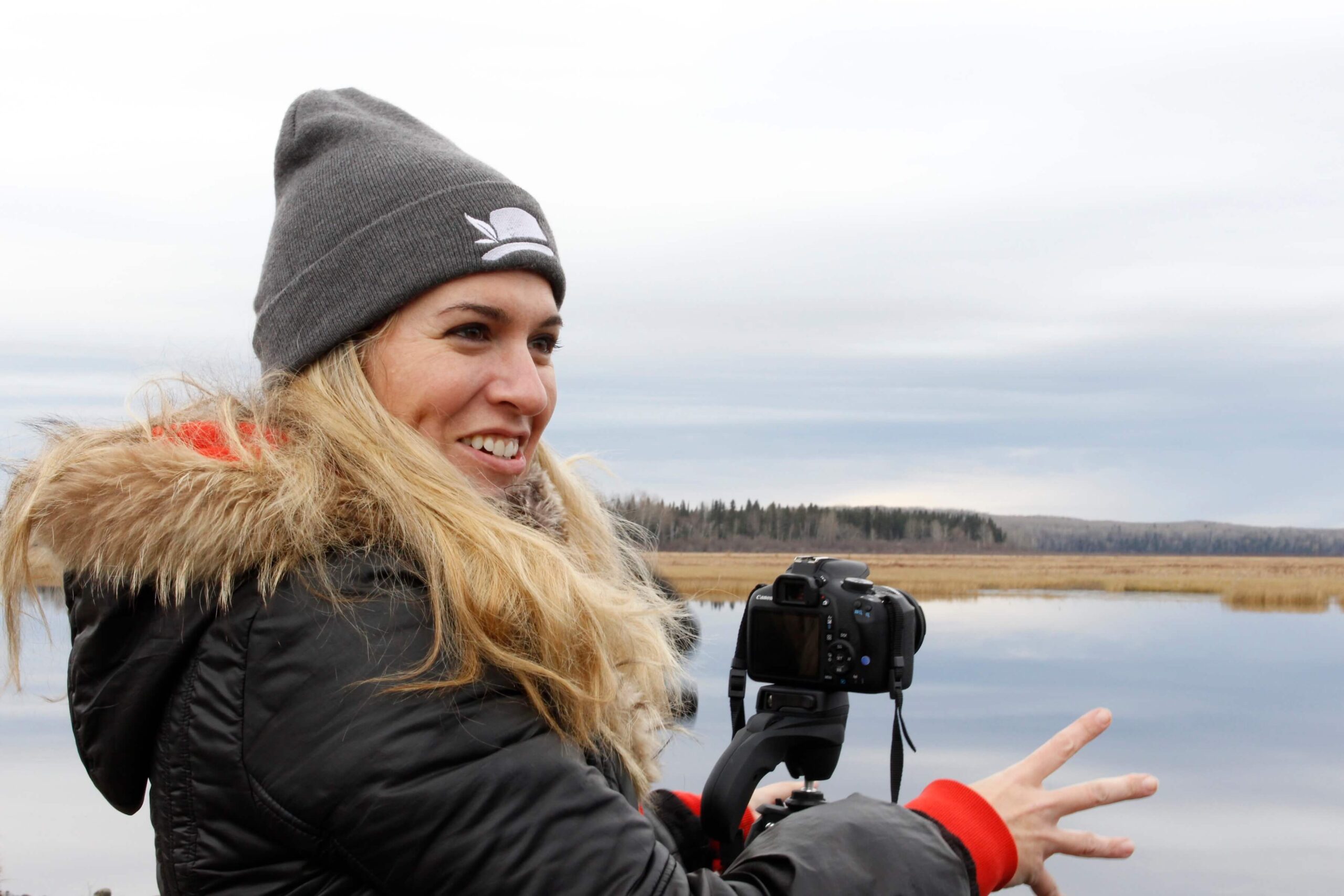
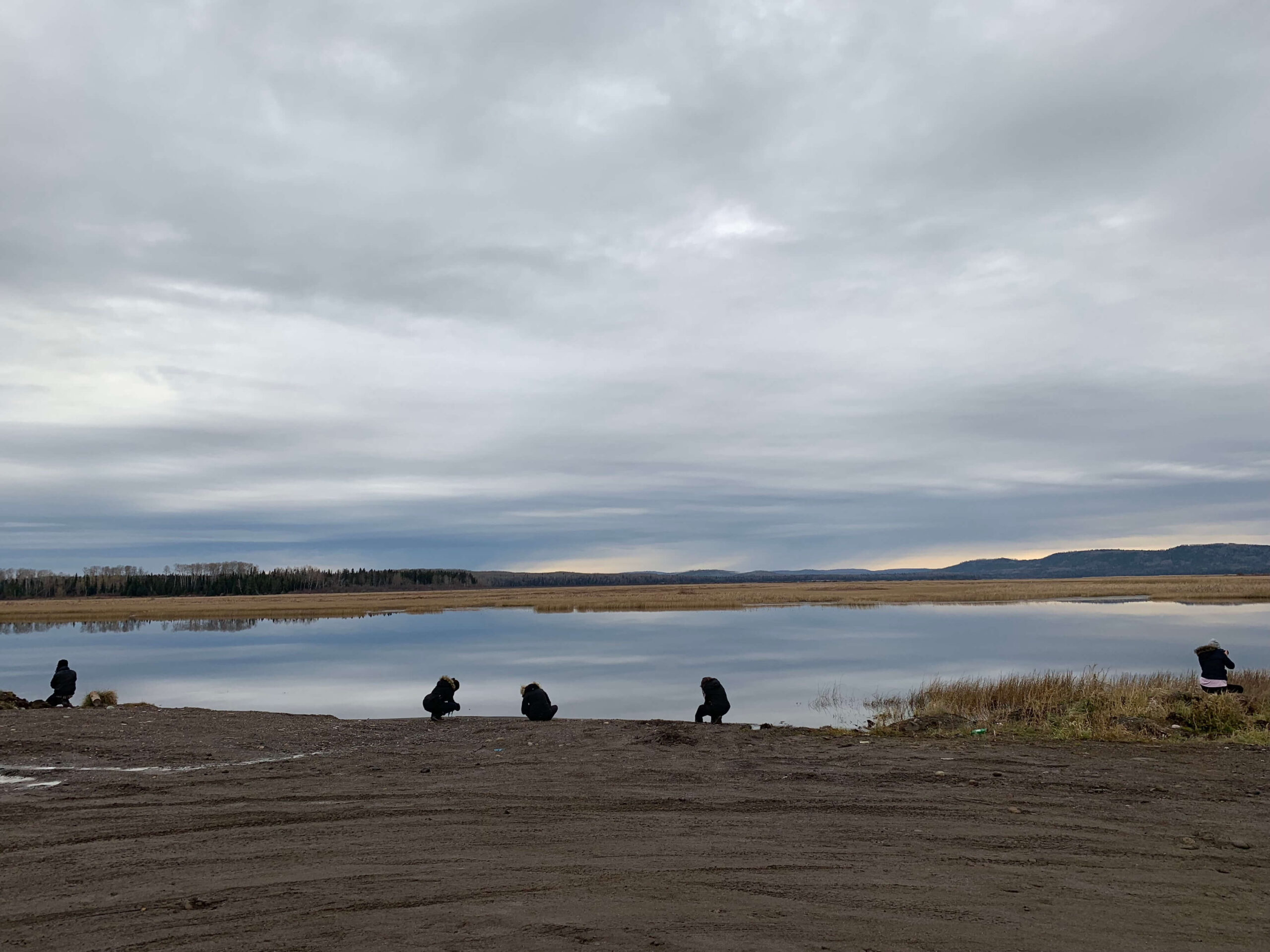
There are always logistical challenges when newsgathering, and our trip provided the perfect environment to investigate best practices for teaching mobile journalism. We traveled light, using one iPhone, a GoPro and a few DSLRs. In terms of time, there was zero flexibility in our schedule. While we slept in Thunder Bay – every morning we drove hours north on a road with no shoulders, no gas stations and no cell service, worked in a community without access to potable water or commercial food, and shot as efficiently as possible before the sun went down.
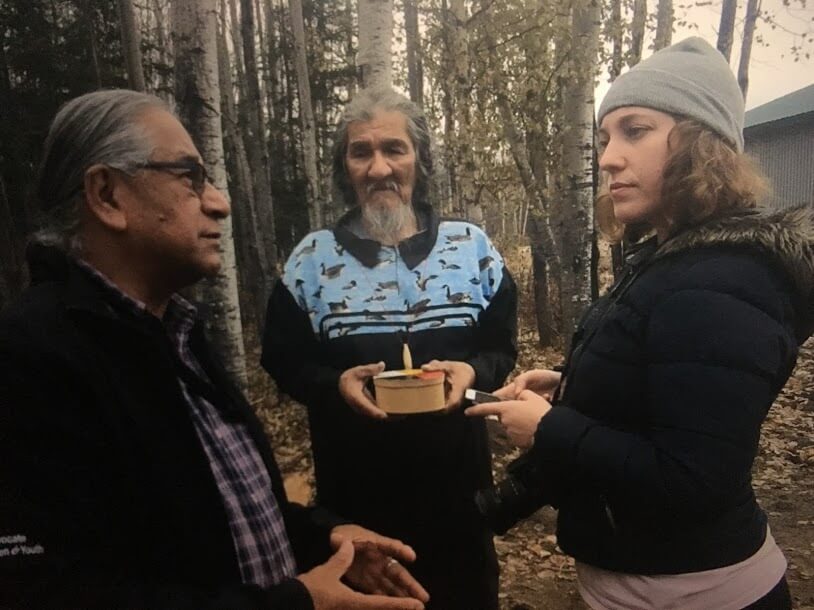
This project was approached from an academic perspective, and allowed me to respect the oral history traditions of the people of KZA-Gull Bay First Nation and to explore experiential teaching techniques at the same time. I am deeply grateful to Concordia University and to the Rossy Family Foundation for supporting this project and my research.
Each student rose to the challenge in ways I could never have expected. The people of KZA-Gull Bay First Nation received us with warmth, kindness and a truly open spirit. We believe the result is a story of finding solutions in our complicated world, of discovering reservoirs of resilience where it might not seem possible, and of looking to our collective future with hope.
Thank you for your interest.
Photo Gallery
Behind the Scenes
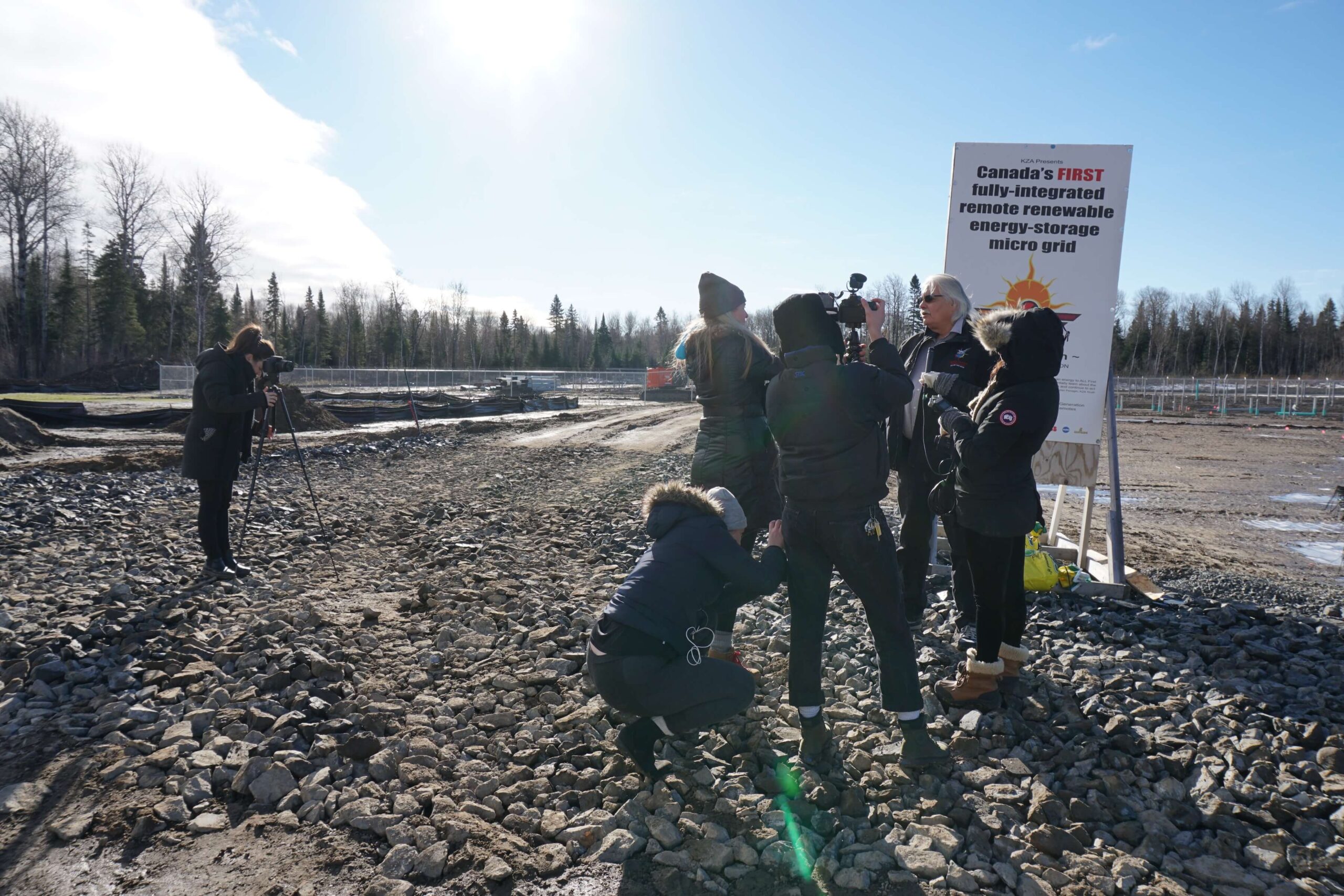










The people behind the work
A collaborative, community-rooted team
This work is shaped by relationships with community members, students, researchers, and partners who contribute to the project with care, accountability, and shared purpose.
Meet the TeamPhoto credit


